 Furrany Studio System
3 seconds ago
Furrany Studio System
3 seconds ago
Furrany Studio System
3 seconds ago
Furrany Studio System
3 seconds ago

Echo Chambers - Global Game Jam 2025
From 6 p.m. on Friday January 24 to Sunday January 26, we took part in the Global Game Jam 2025. However, this year we were unable to find a suitable venue for the event, so our campus decided to host the jam on its own facilities.
The theme of this year's GGJ2025 was “Bubble”, a relatively accessible subject offering many creative possibilities.
Our beautiful team
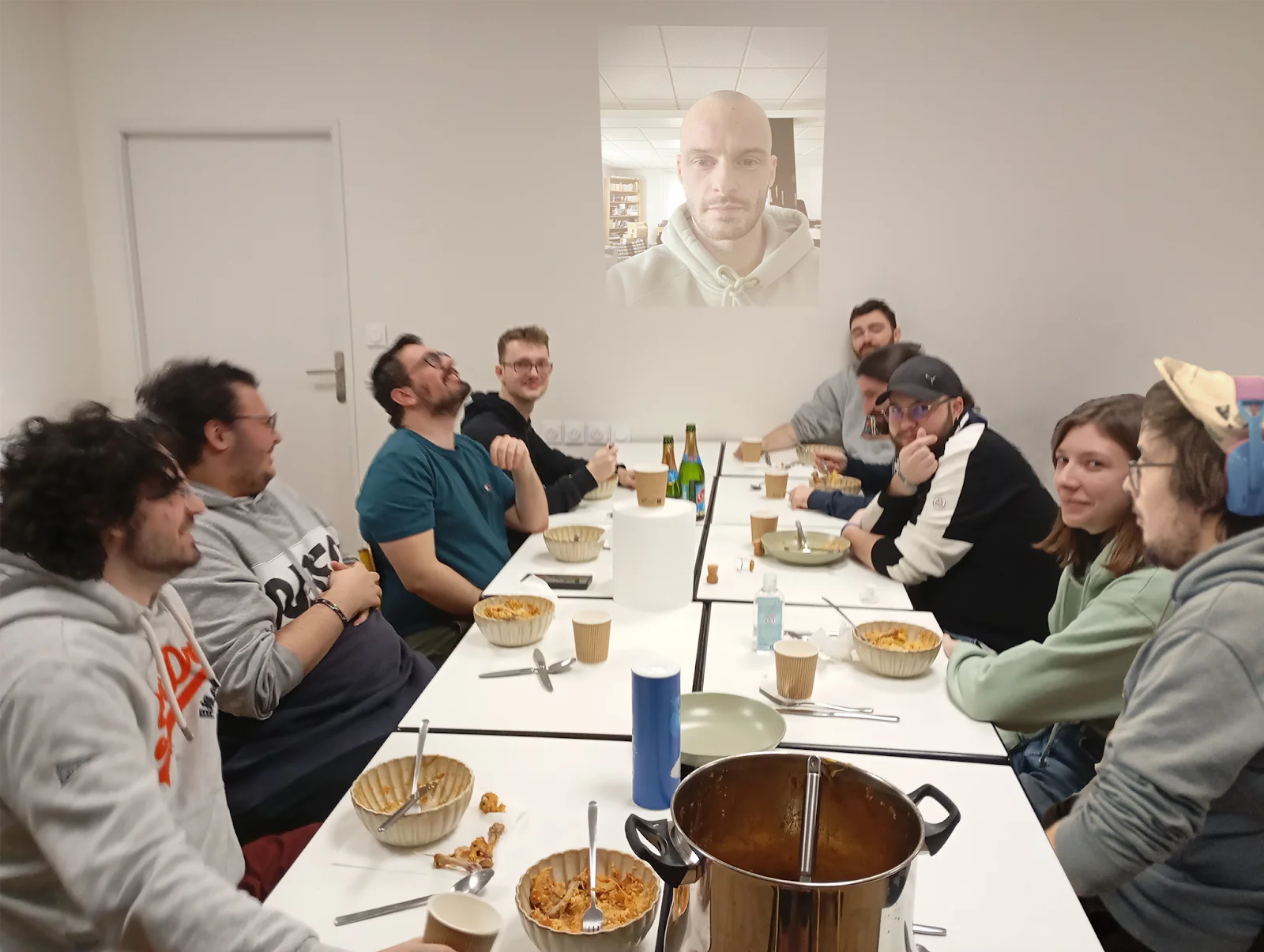
We put together a team including two developers, two game artists, two concept artists, an animator, a sound designer and a game designer.
Game Developers :
- Sanchez Maxime
- Broquere Marvin
Game Arts :
- Boulery Maxime
- Barrau Esteban
Concept Arts :
- Fadel Paul
- Zhuk Valentyna
Anim :
- Hippolyte sueur
Sound Designer :
- HERTMANN Paul
Game Designer :
- FLORIO Romain
Echo Chambers
“Echo Chambers” is a third-person narrative game. You embody a bubble exploring its past and its quest for peace, discovering fragments of its life along the way and seeking to understand how it ended up here. Embark on a stylized adventure through time and the emotions of this bubble!
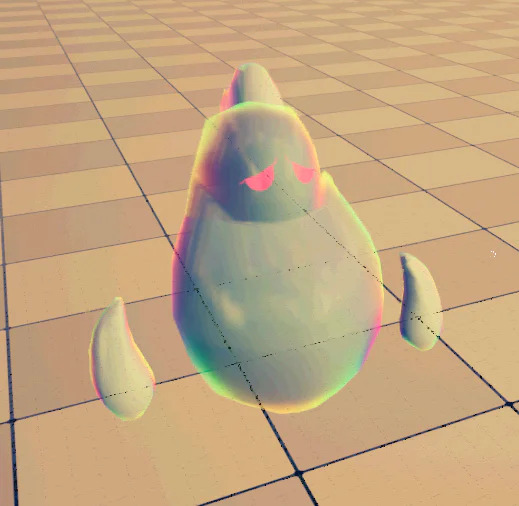
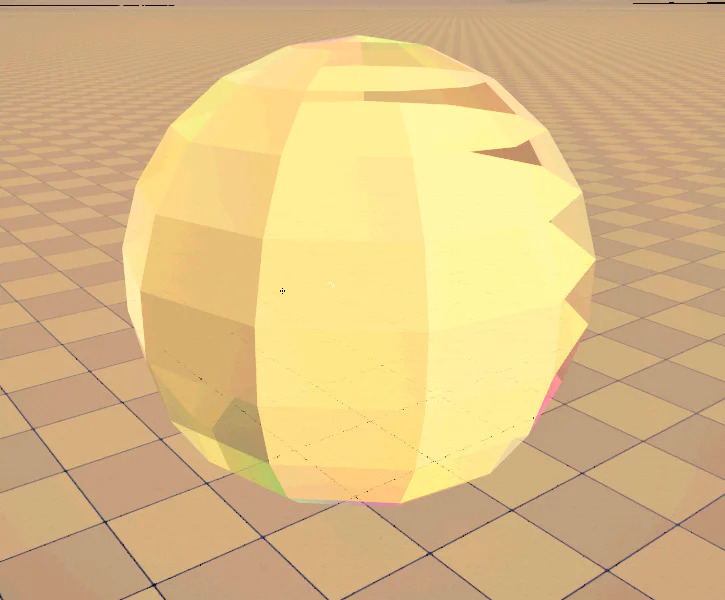
We faced a challenge when we incorporated the following Game Diversifiers:
Game Dev Section
Since we're two developers, we had to divide up the tasks involved in developing the game.
In short, we worked together to develop a foundation for the player, including movement management, the user interface and a health zone. We also implemented all the associated logic and added details using Runtime Vertex Painting.
Finally, we jointly finalized all the game's sound elements.
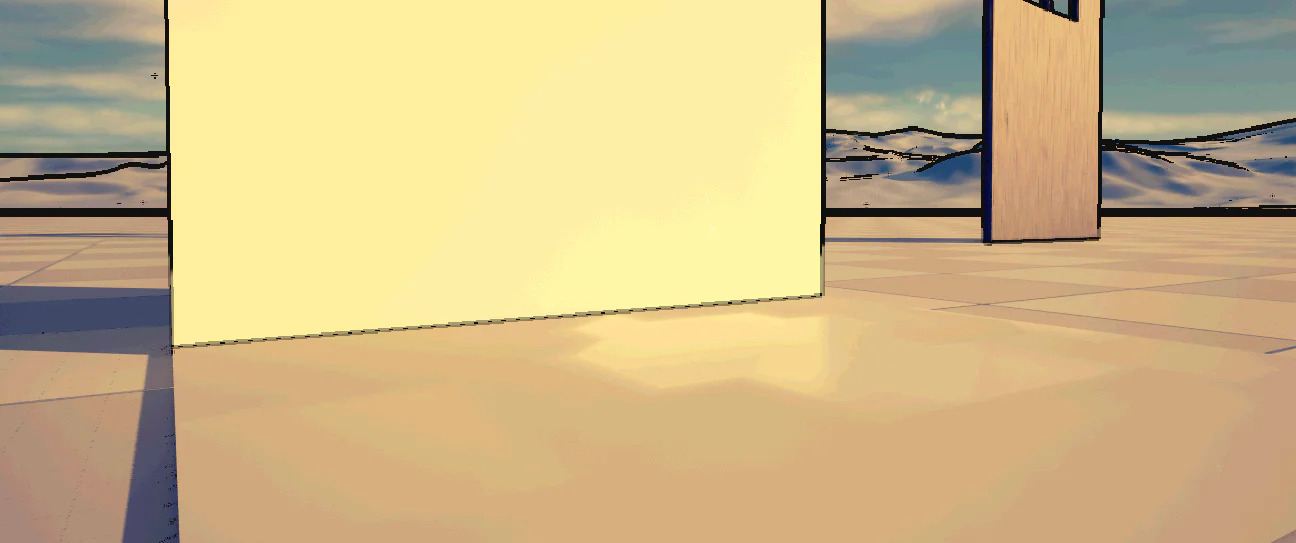
Marvin Section
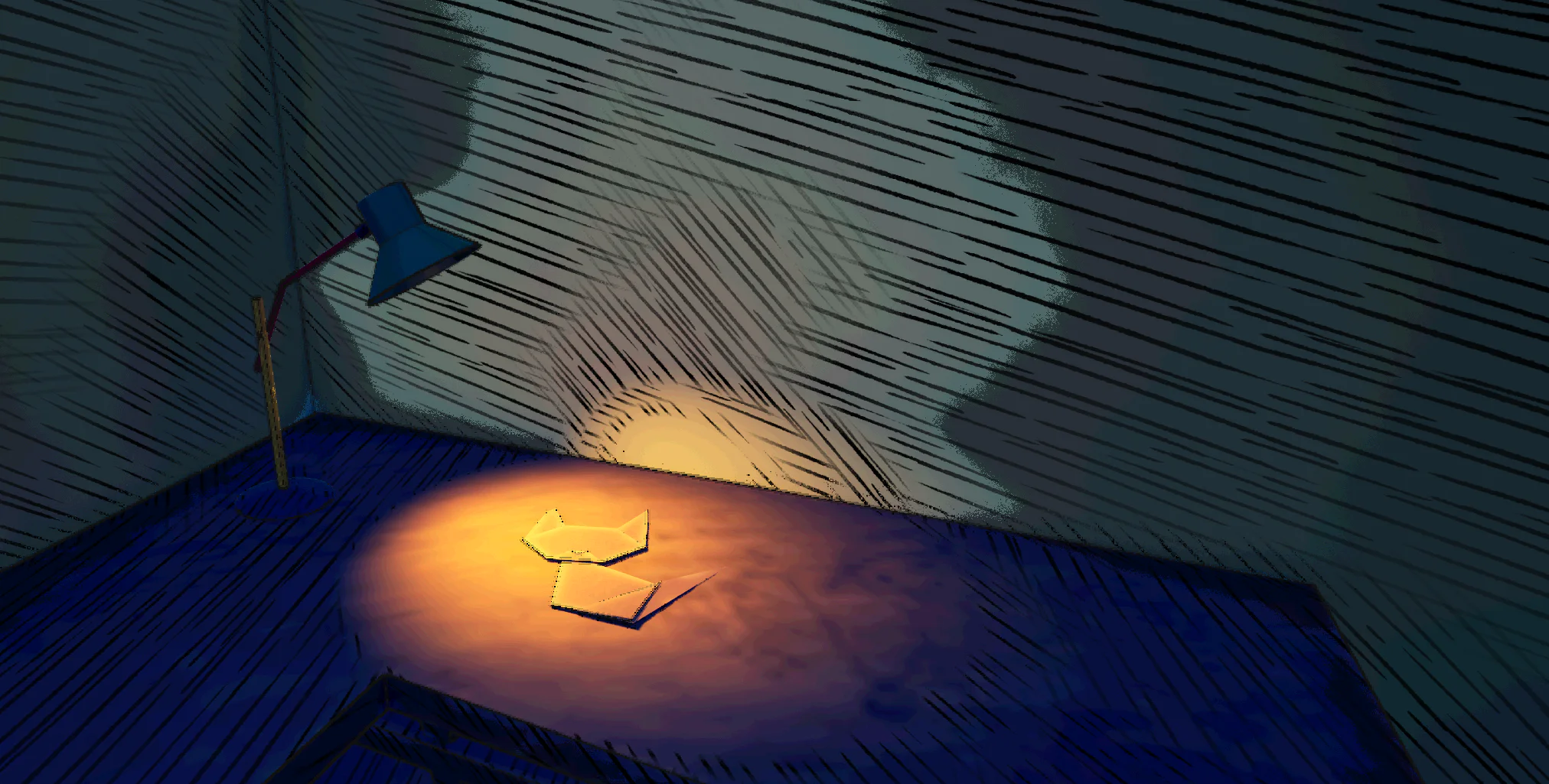
Marvin is concentrating on interaction within the map, to enable, for example, fluid interaction with the origami present on it.
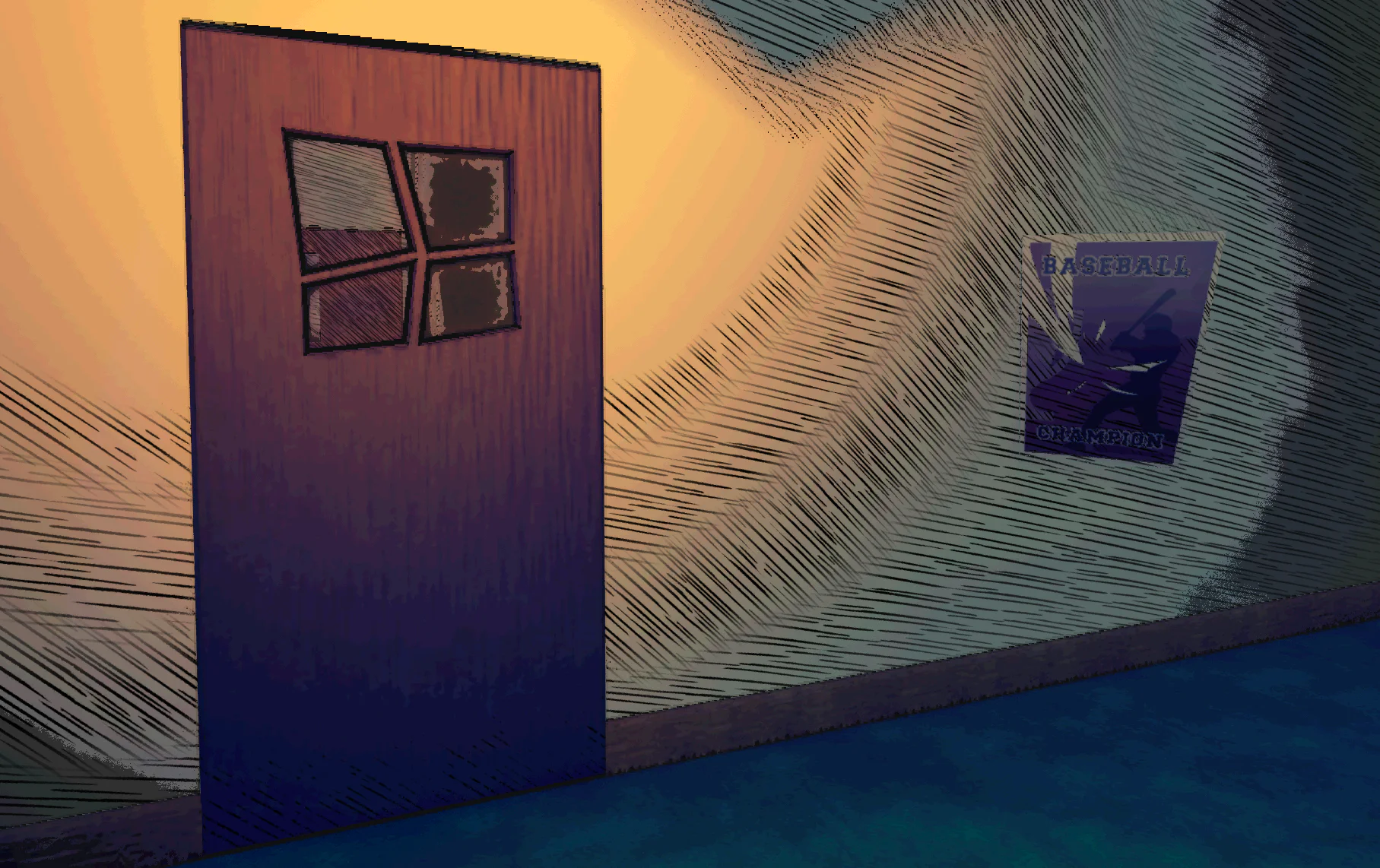
His main focus has been on improving gameplay on the map, in particular with regard to origami, doors, the health zone and sound-generating events.
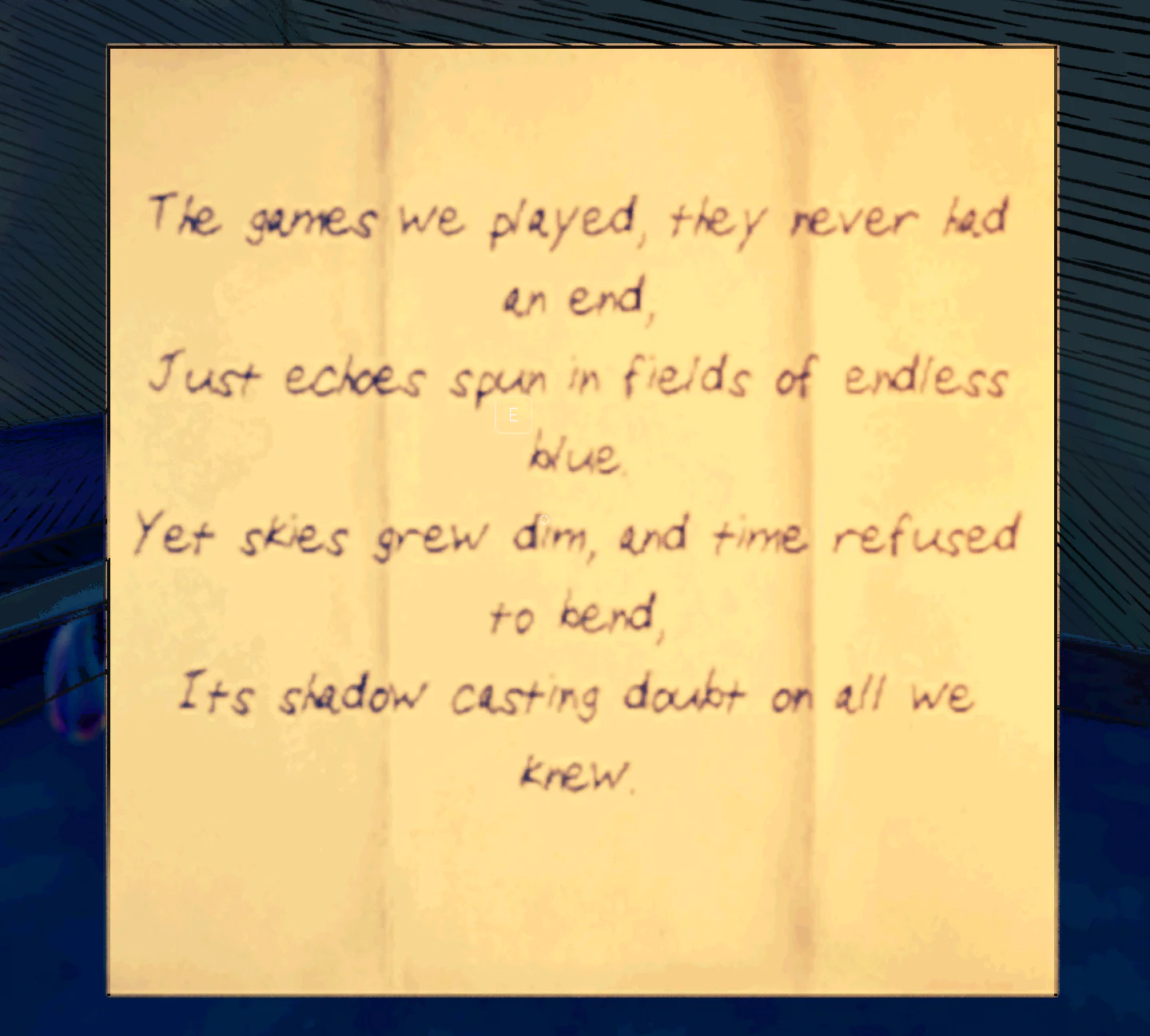
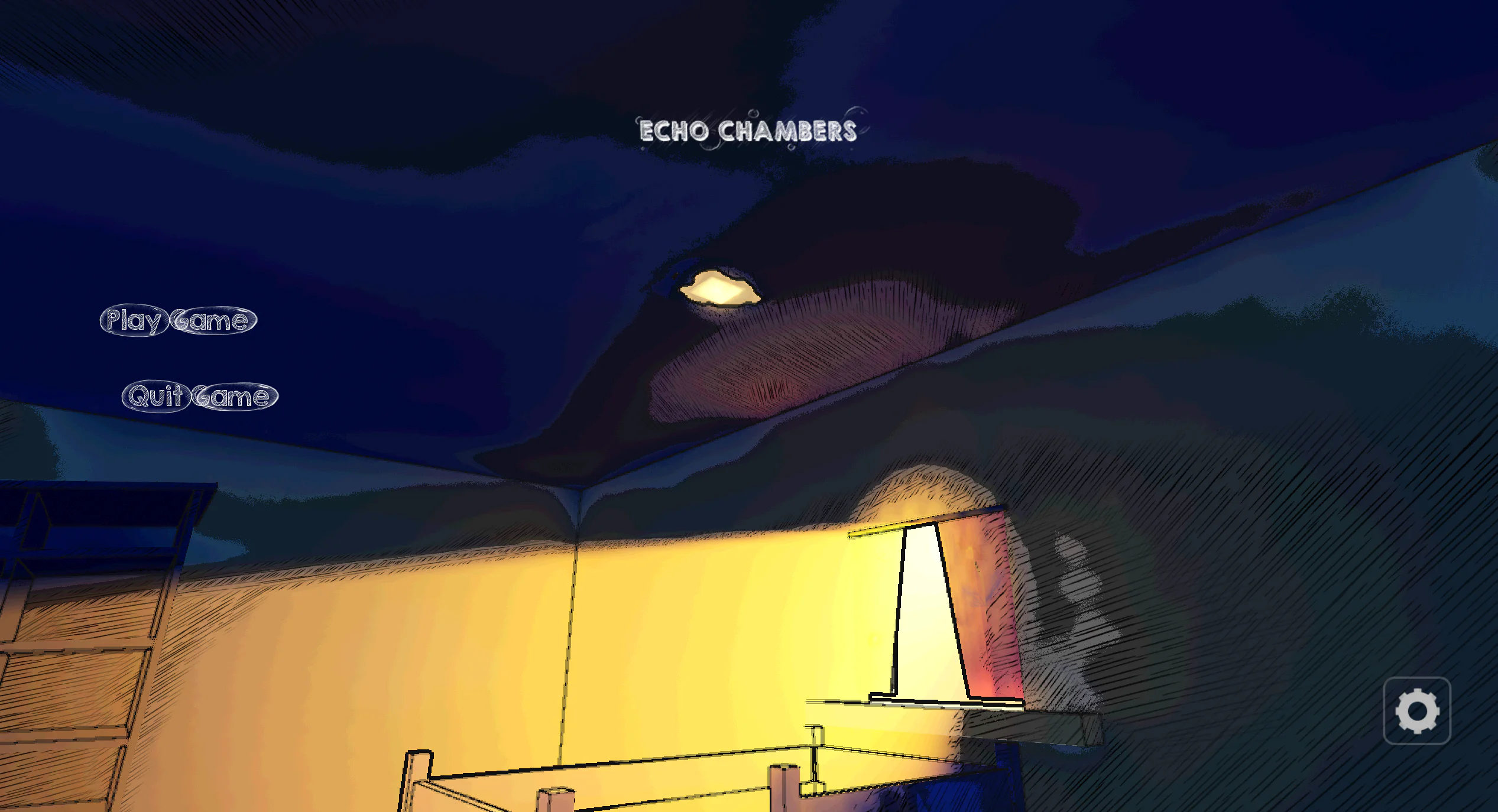
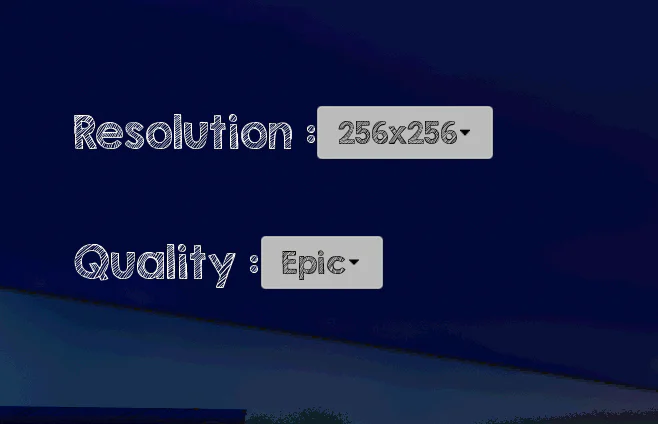
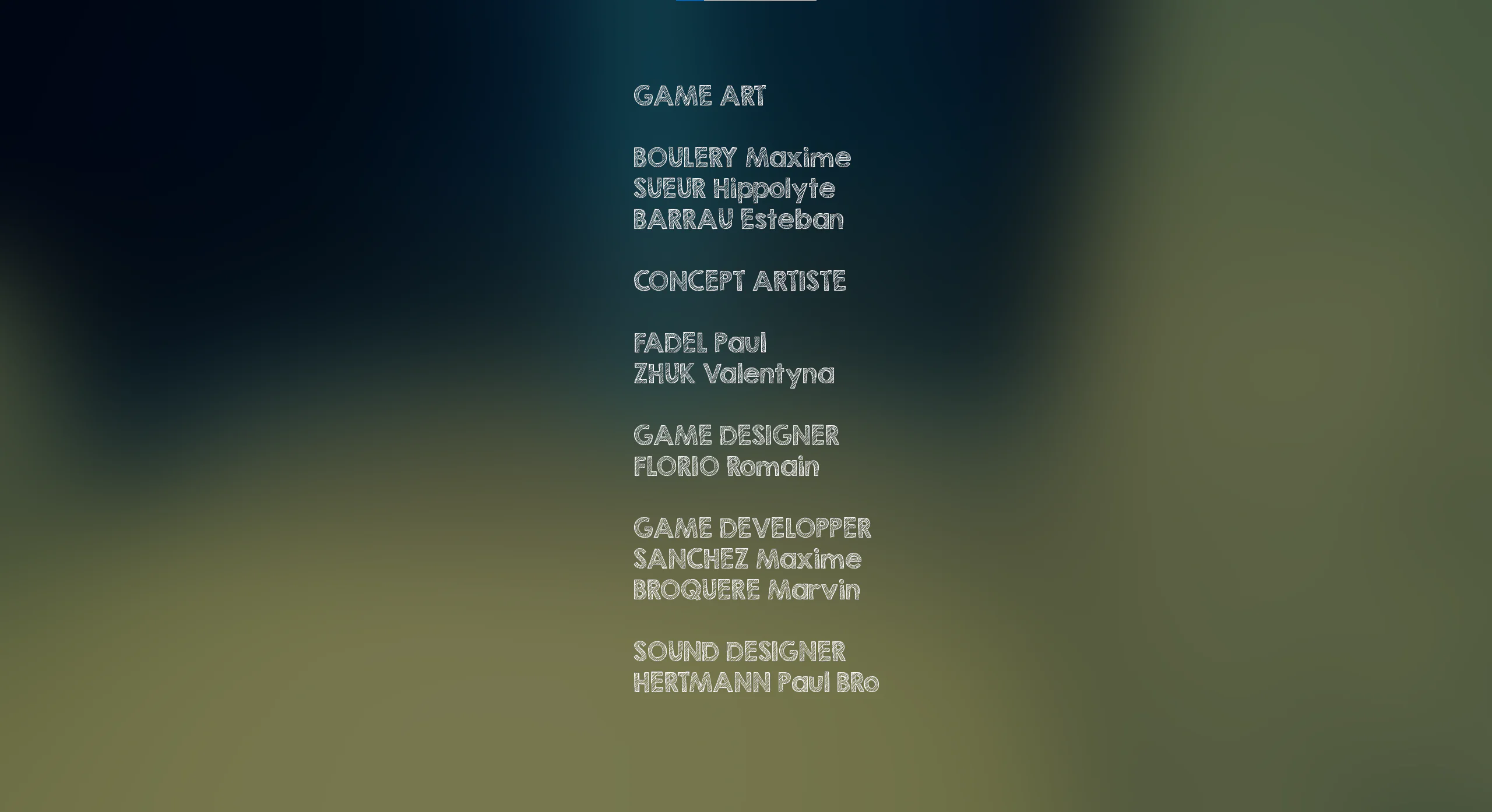
He has also focused on the game's user interfaces, in particular the Main Menu, Options and the display of credits at the end of the game.
Maxime Section
I personally supervised the improvement of the game's overall art direction by developing a post-processing and using the Runtime Vertex Painting.
What is Runtime Vertex Painting ?
This tool makes it possible to Paint, Remove and Detect Vertex Colors in Runtime on Static, Skeletal, Spline, Dynamic and Instanced Meshes in several different ways!
Utilize Per Vertex Info such as Vertex Color, Position, Normal, Material, UVs, Physics Surface and even Average Vertex Color, Colors in Percent, Colors of Each Bone, and much more that can enable New Mechanics, Game Modes as well as Incredible Attention to Detail!
The Plugin supports Multi Threading which makes it possible to perform multiple tasks at the same time without significant performance loss!

What's in it for you?
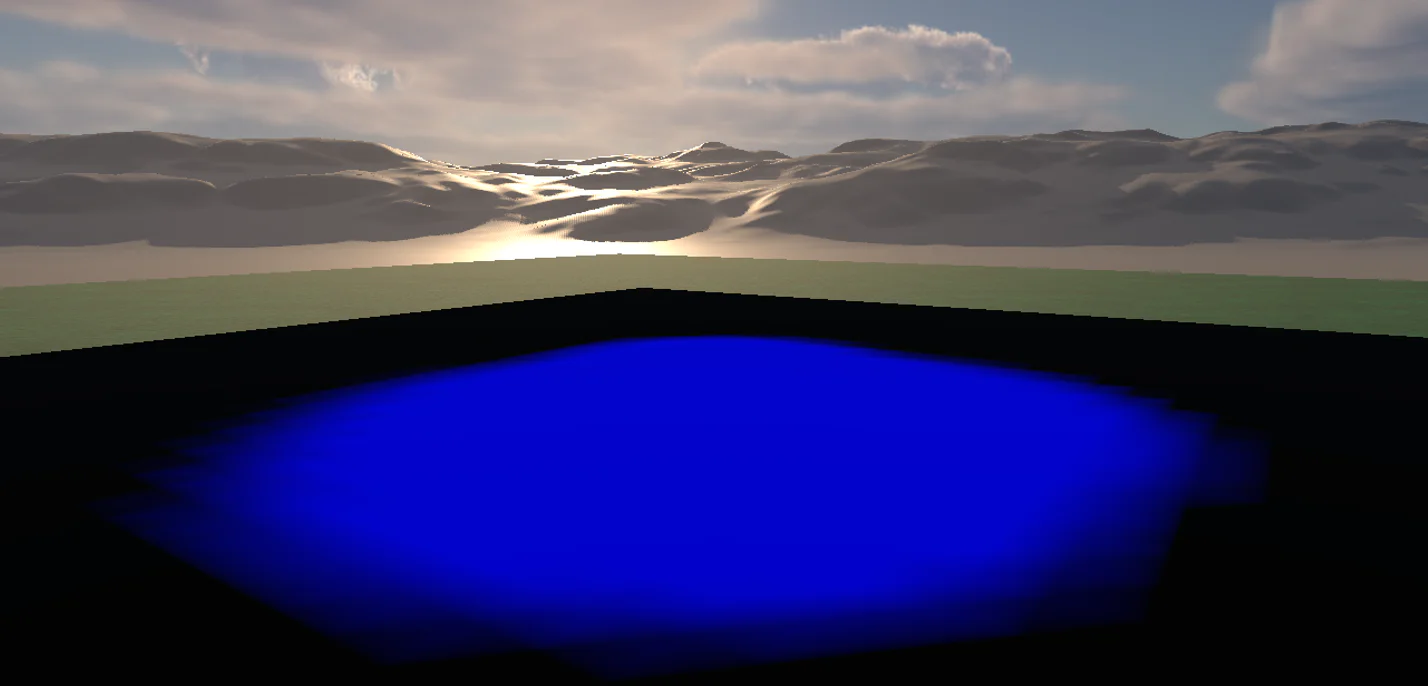
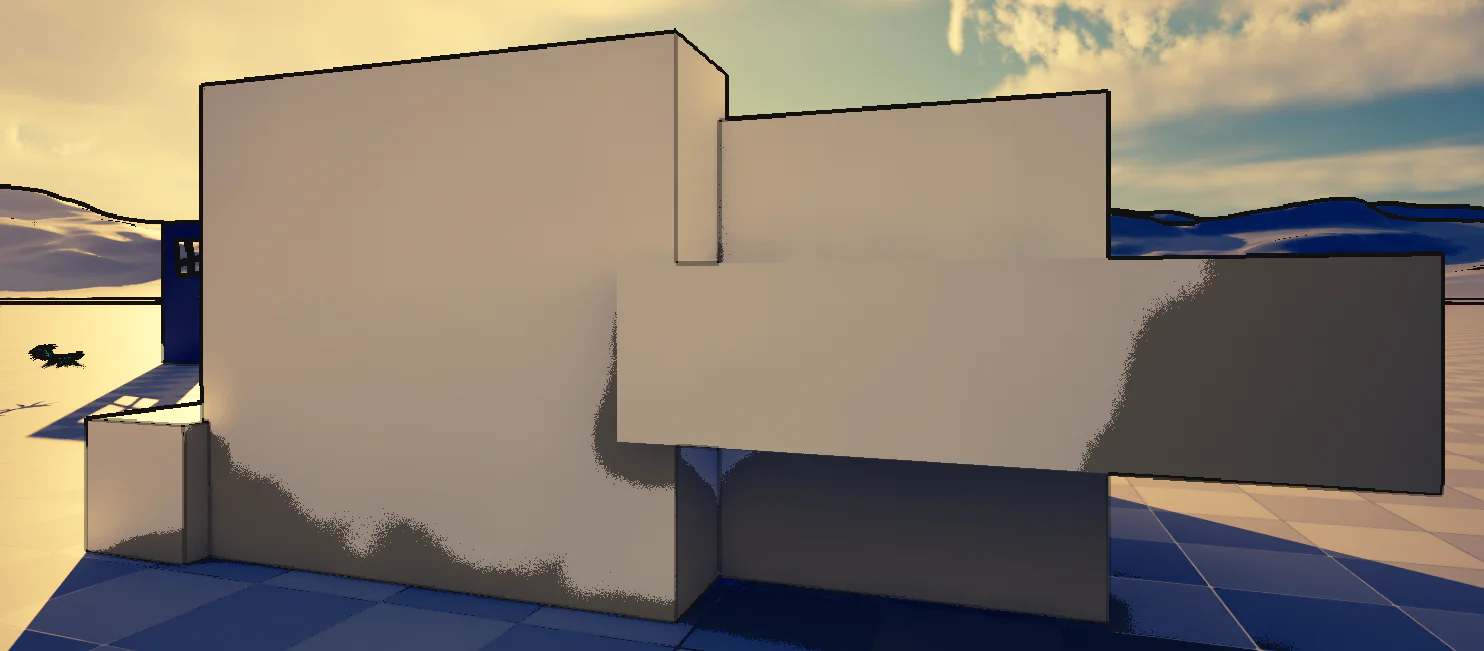
In the game, as we progress, we lose small drops of water which, when they hit the ground, form a small puddle.
Rather than using the in-game Decal system, which would have hampered our performance, we'll apply the paint directly to the mesh.
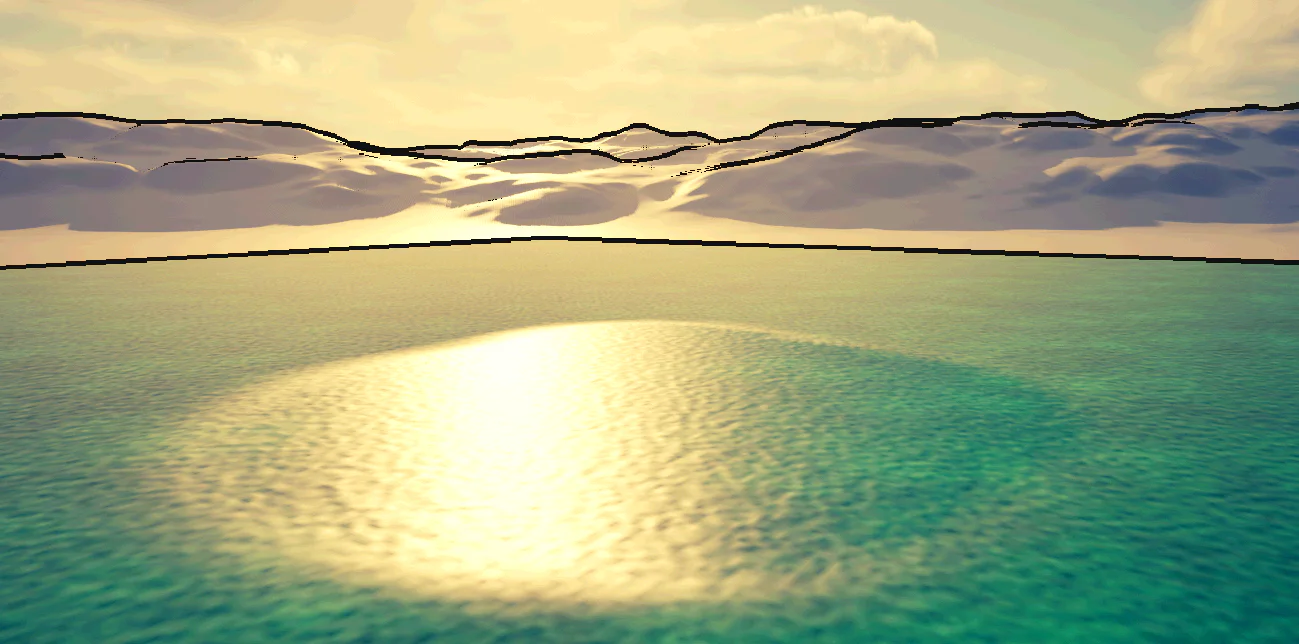
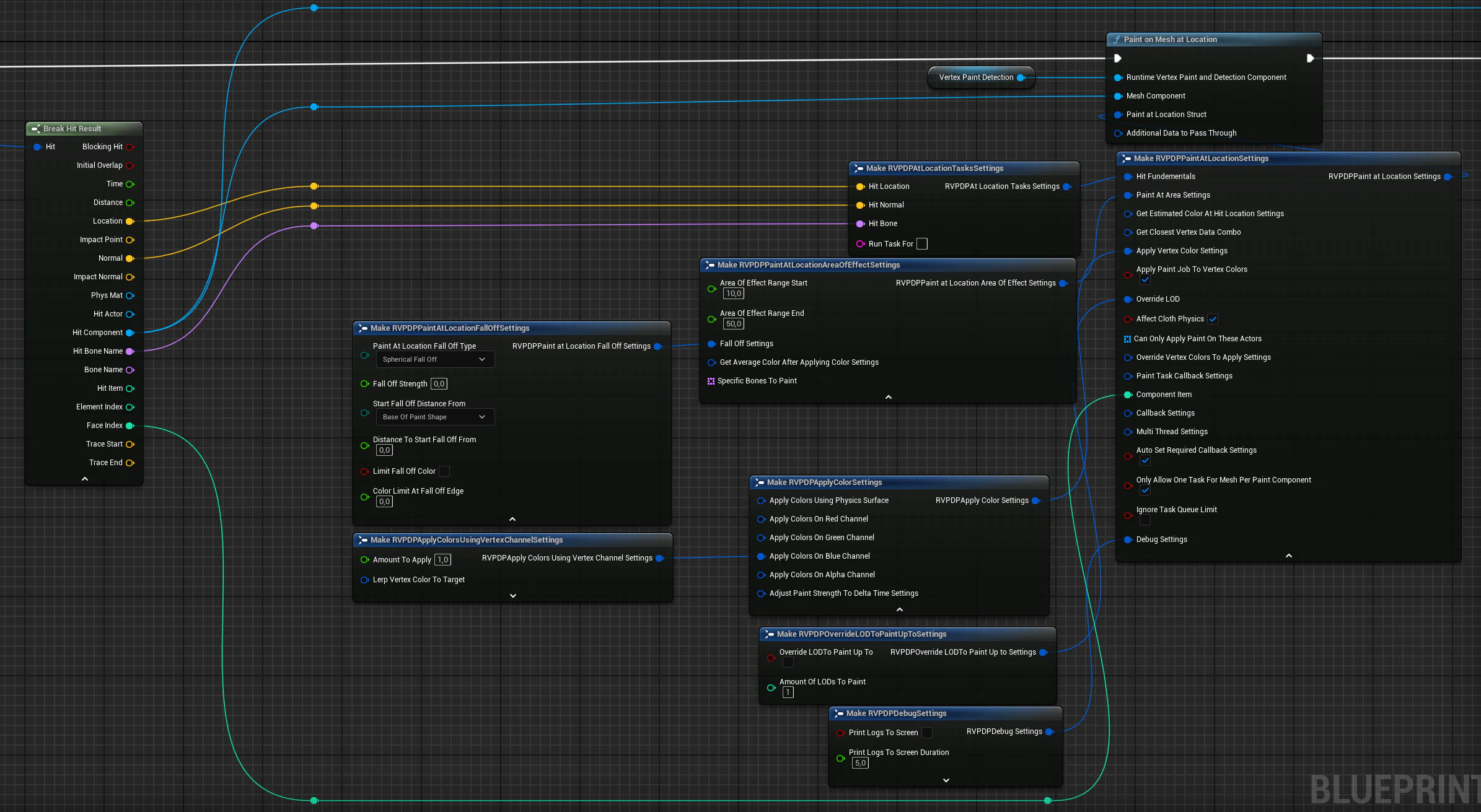
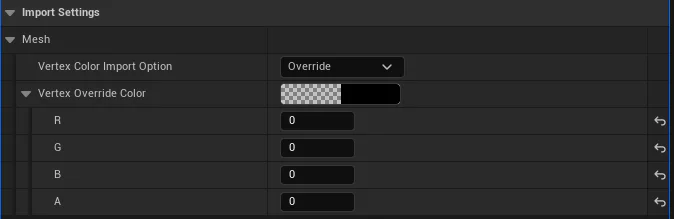
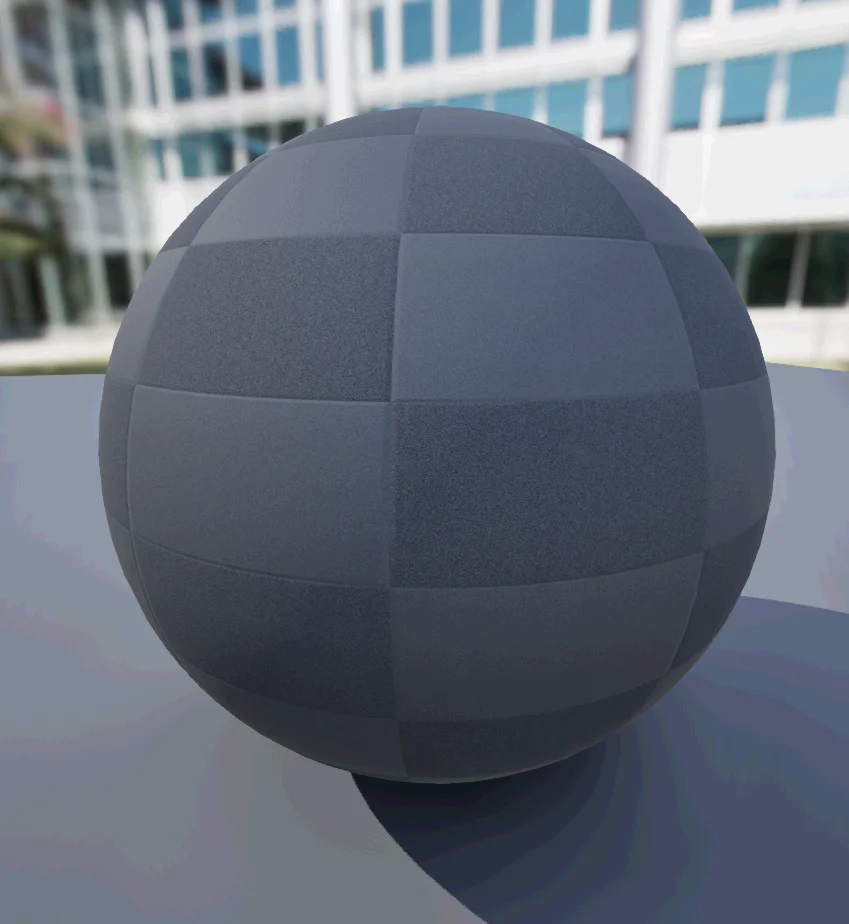
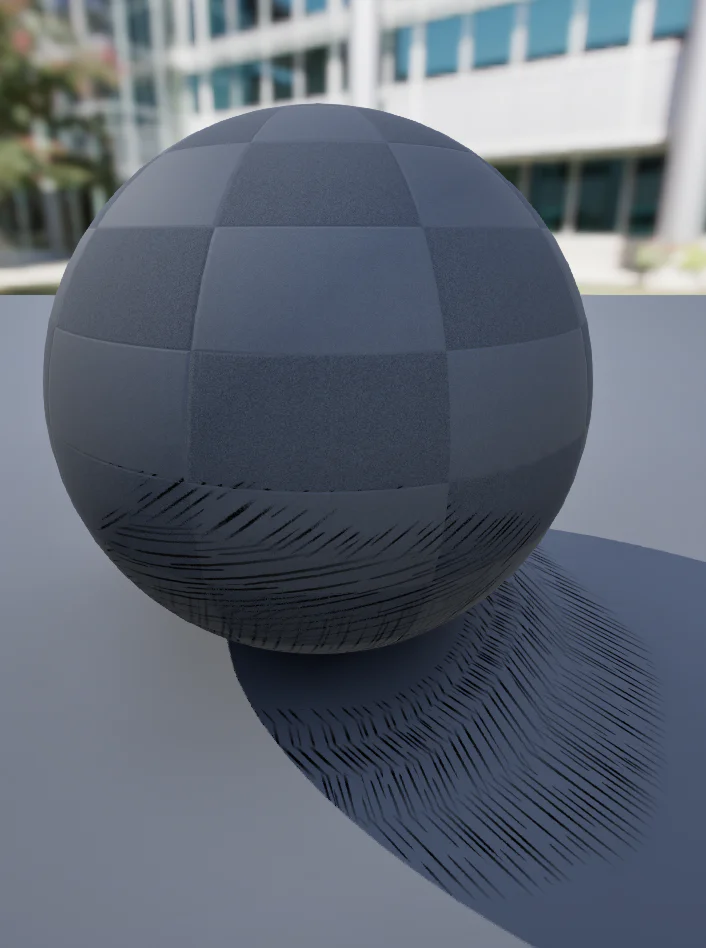
To paint the mesh, simply refer to this example.
I apply blue paint to the area where the mesh has been affected.
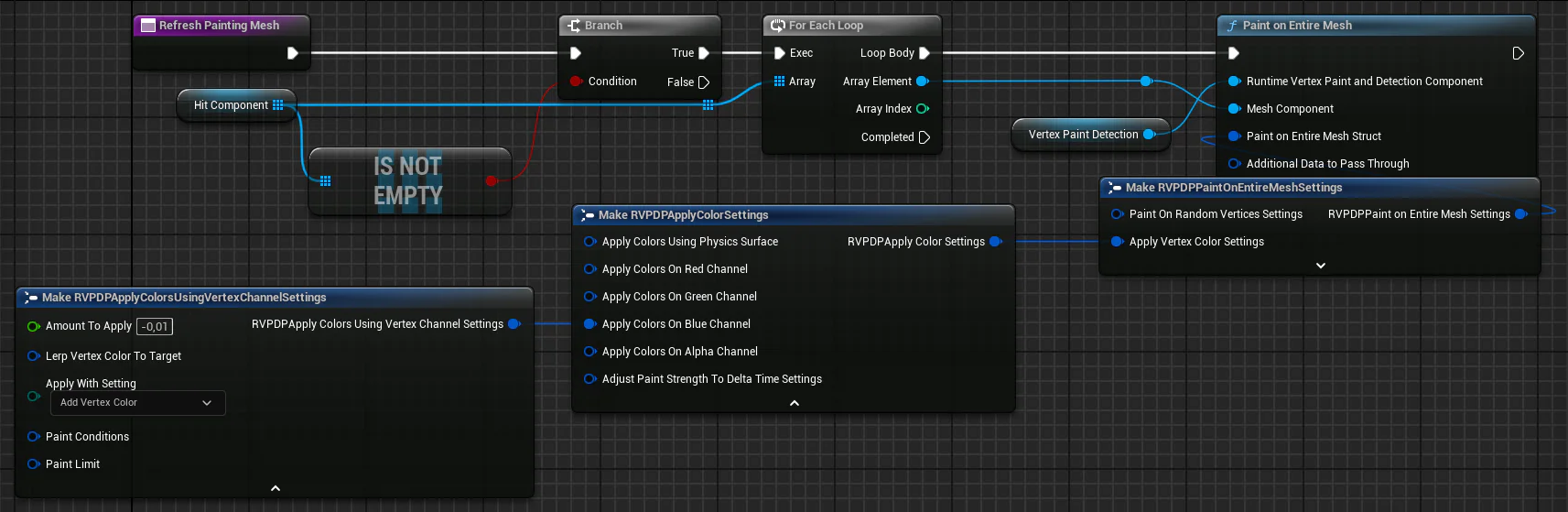
What methods can be used to ensure effective drying?
Thanks to the plugin, several methods are available to achieve this objective. We've chosen to adopt a specific approach by setting up a reverse system, using a function called “Set Timer By Function” which takes care of cleaning the area requiring drying.
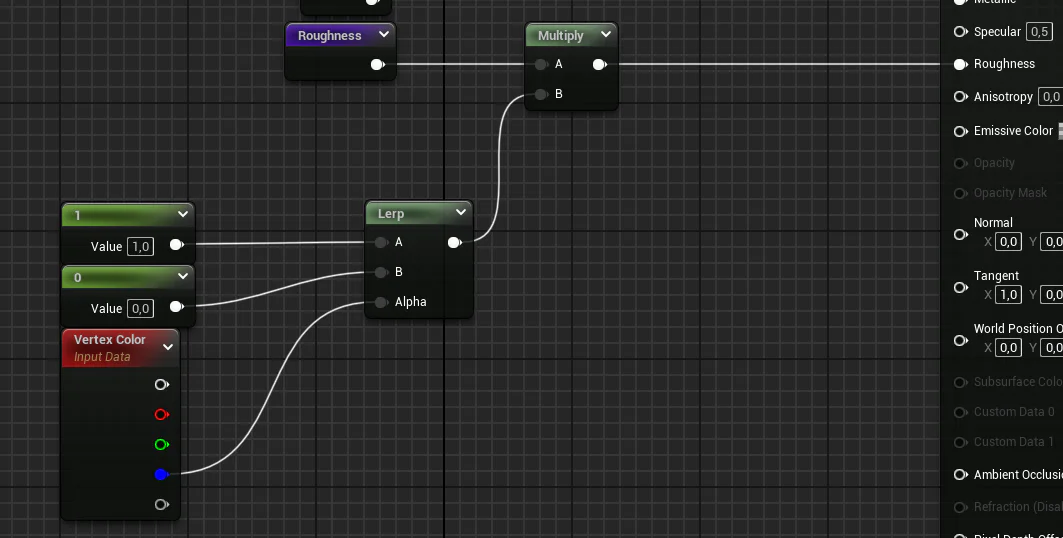
Please ensure that you set up your materials and meshes correctly.

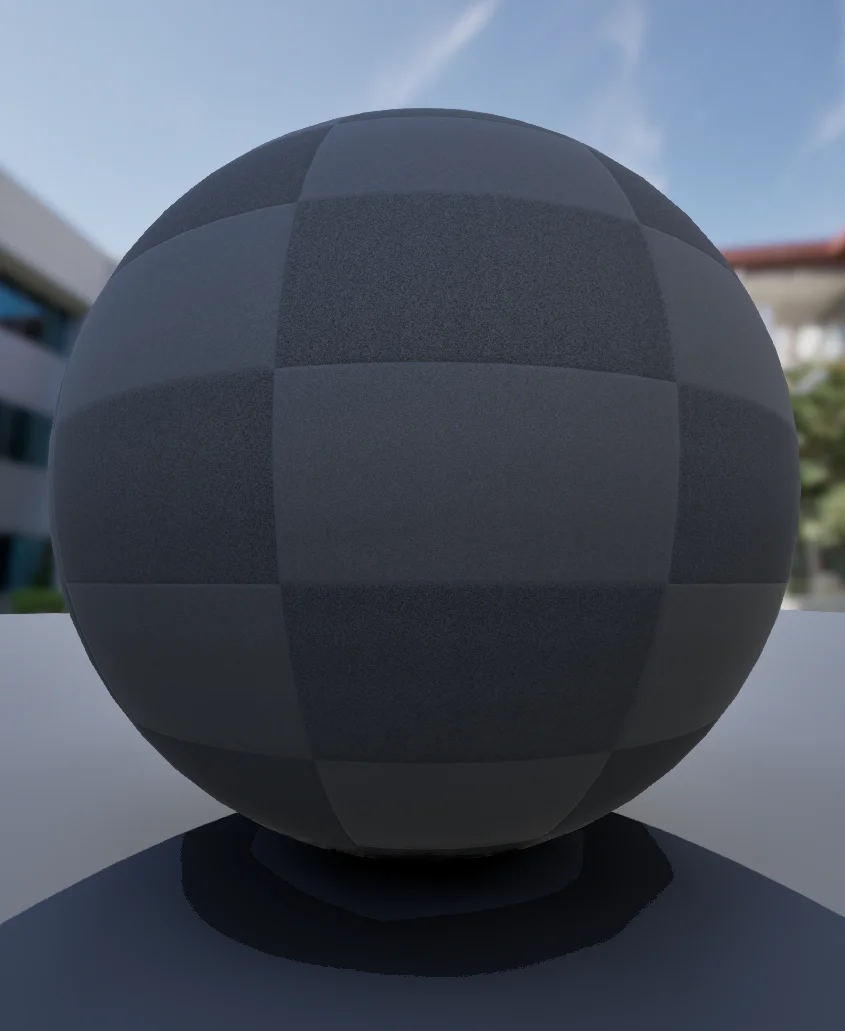
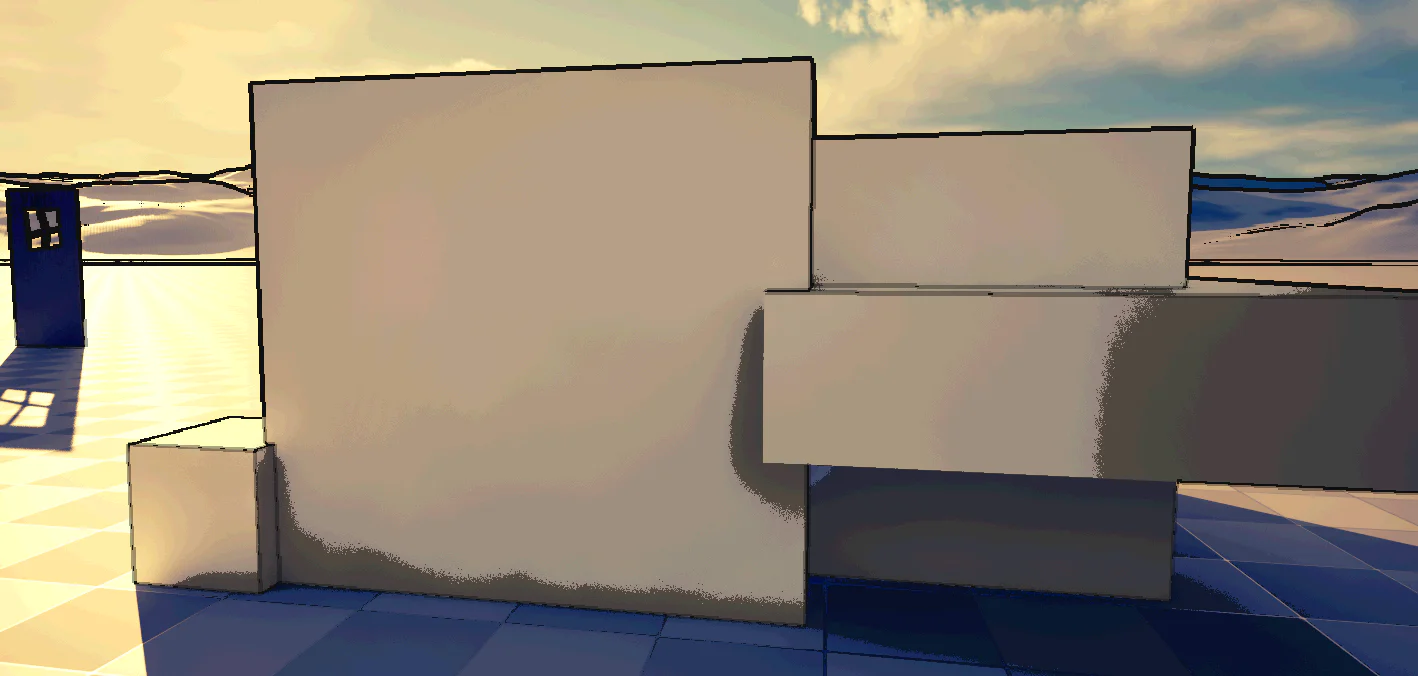
Post-Processing
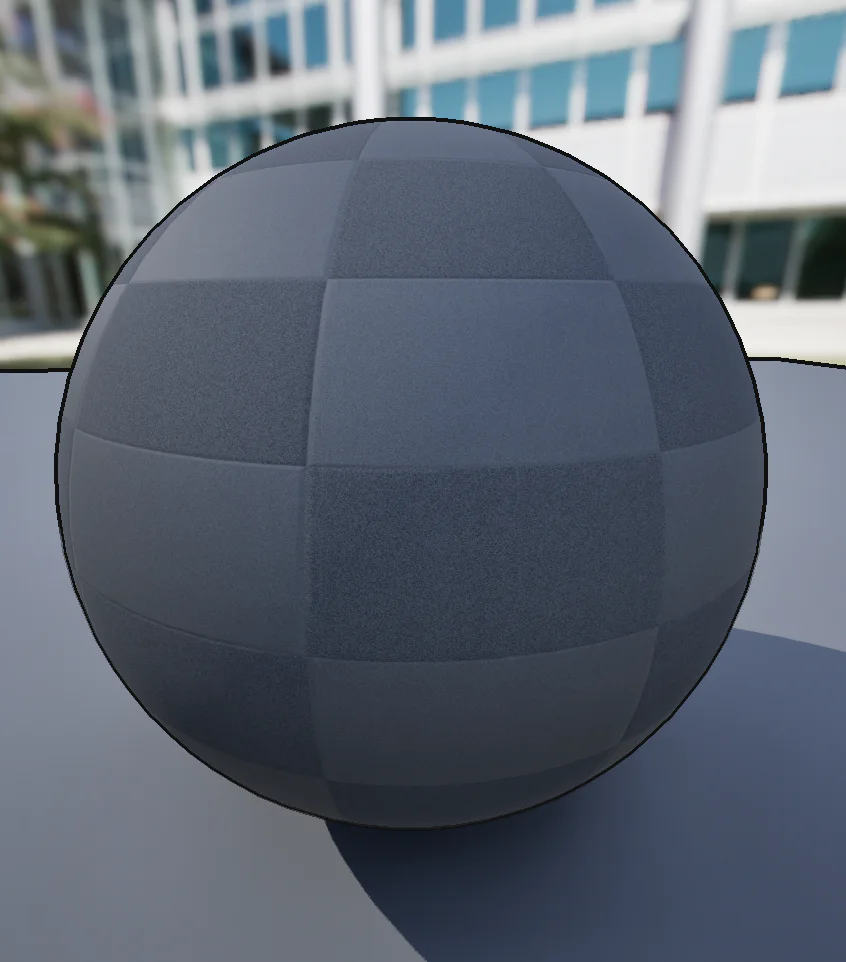
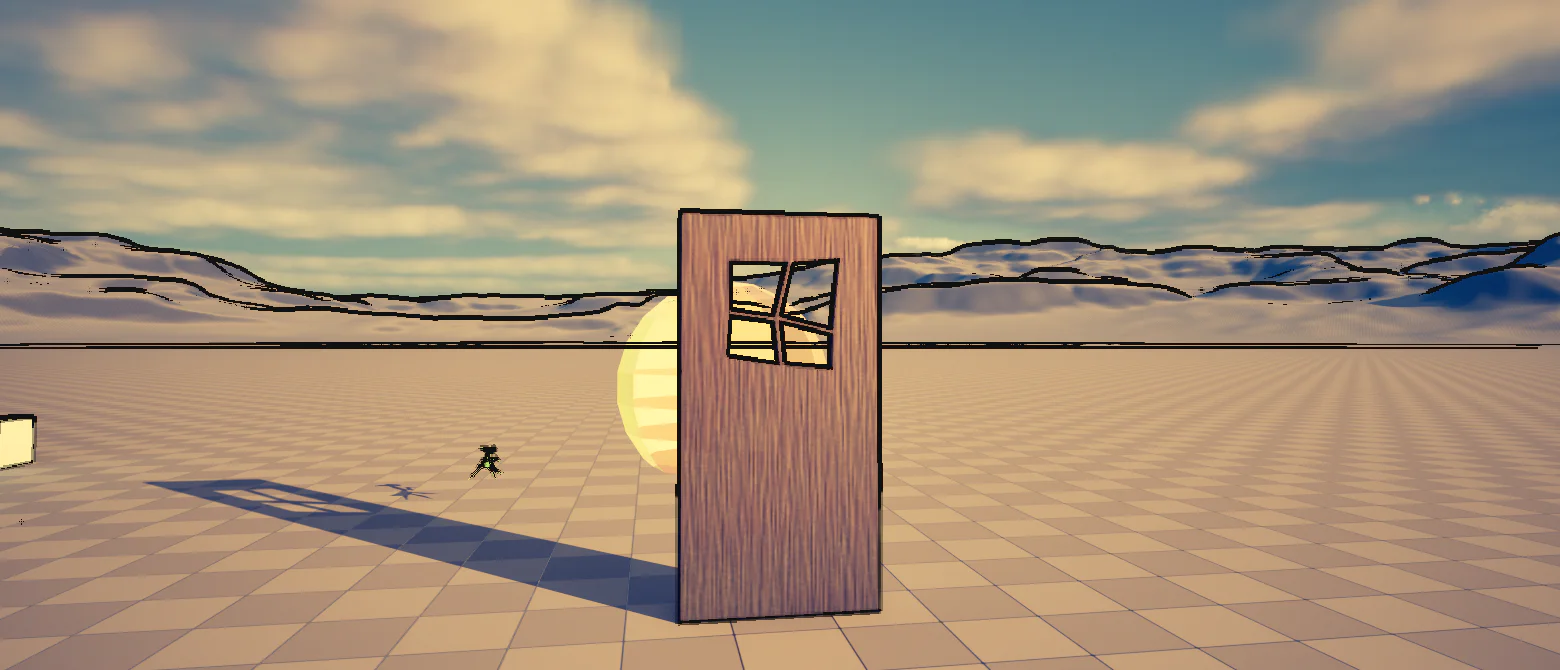
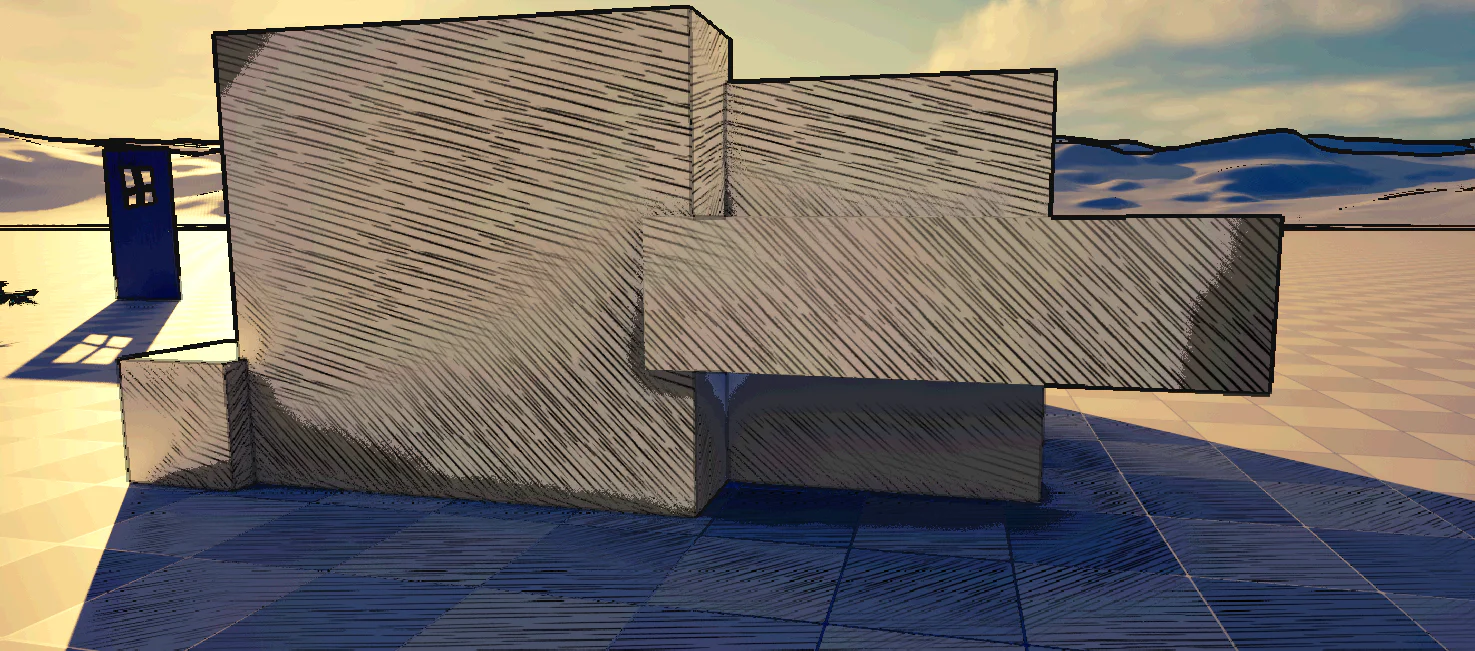
In this section, we'll look at the post-processing techniques applied to the game, which we've implemented to enhance its aesthetics.
Nevertheless, it's vital to ensure that any gaps are filled through effective post-processing.
As part of the development of these Post-Processing , I analyzed the various possible approaches, and it seemed essential to define relevant additions.
I spent a lot of time thinking about our Post-Processing for the game, but creating the more elaborate Post-Processing required an even greater investment of time.
We provide you with the source codes for our post-processing, so that you can reuse them in your own projects.
Outliner

Game Art Section
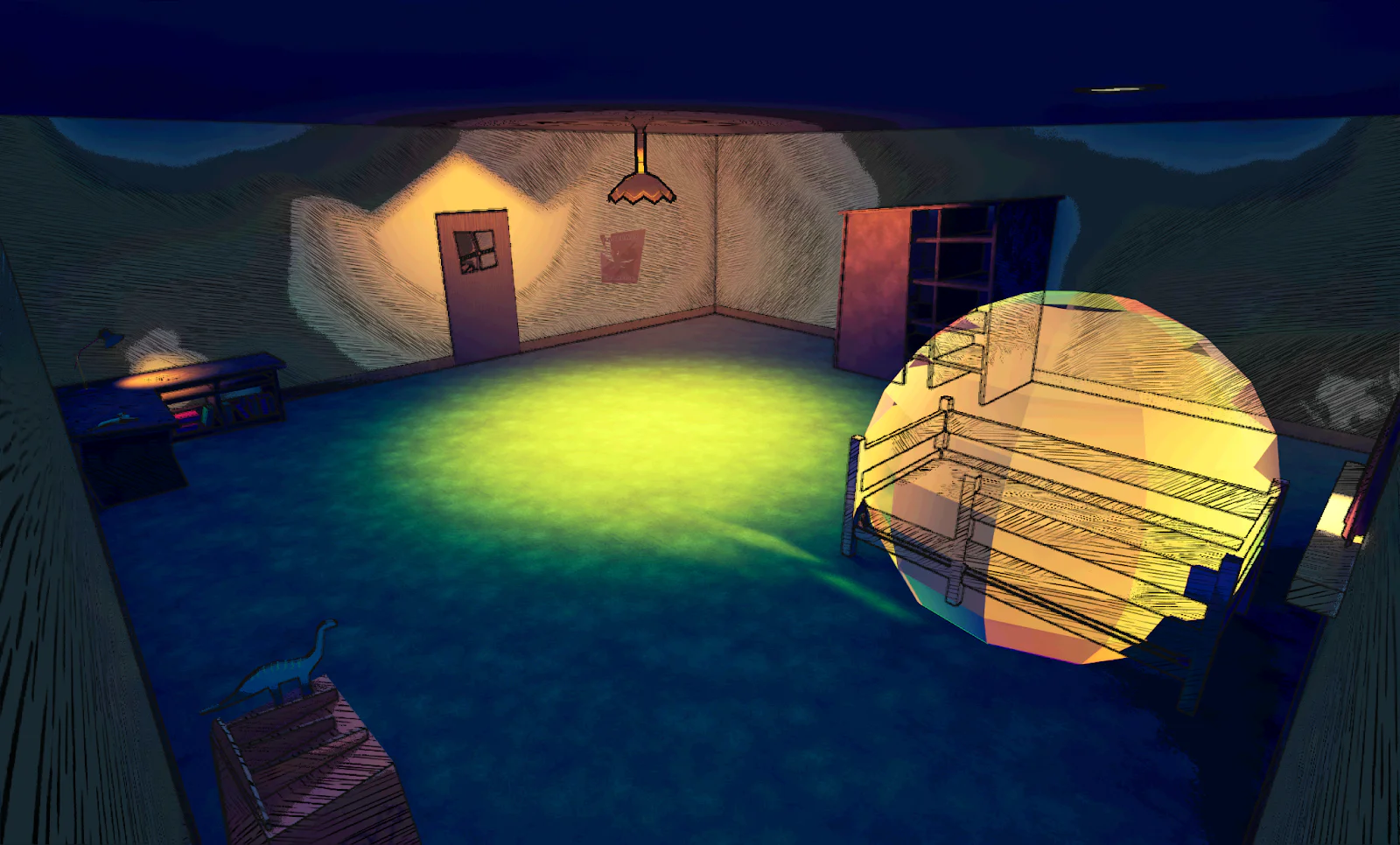
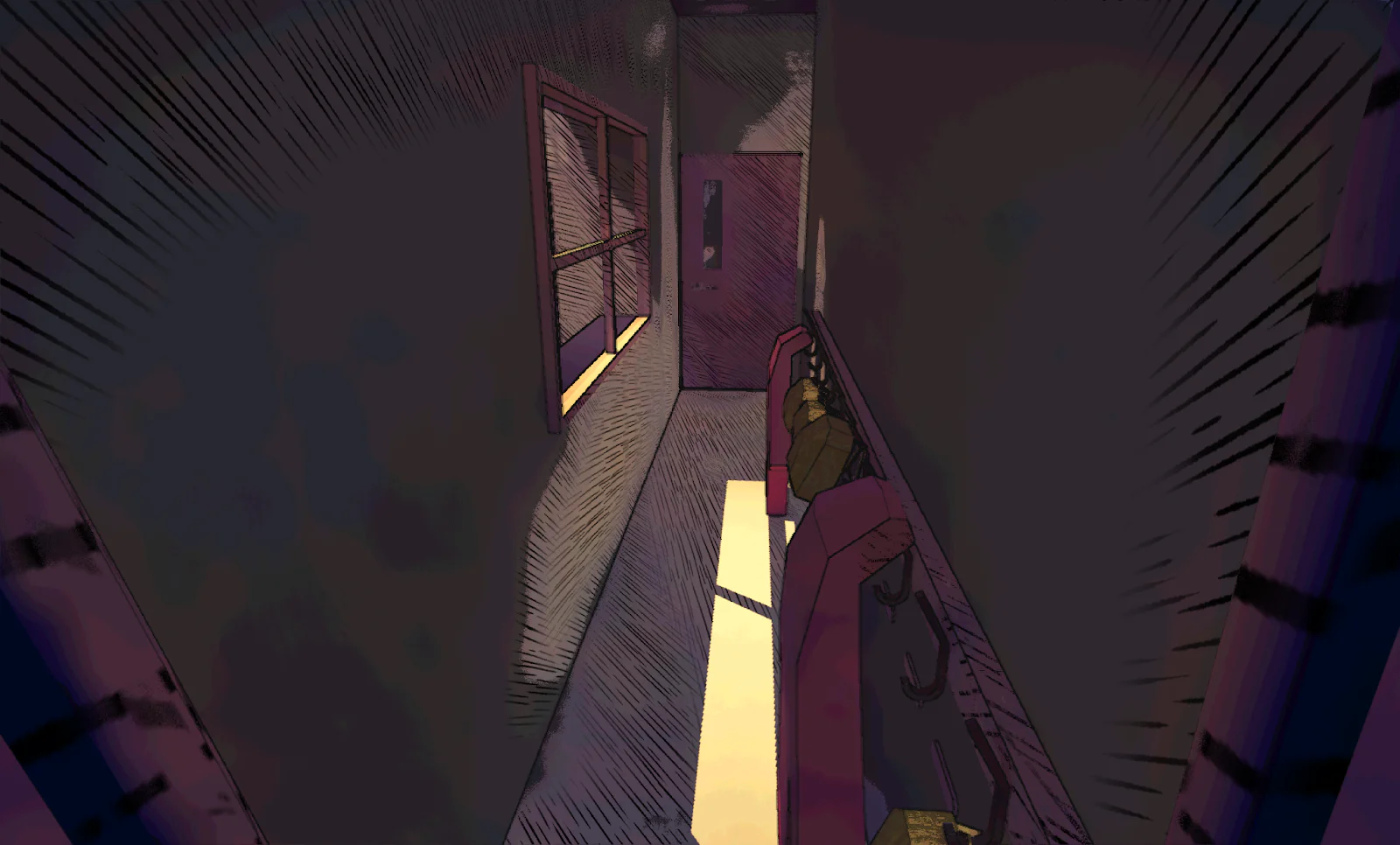
As for the Game Artist section, we've created a number of different pieces representing different stages of life.
Here are some images of the different parts:
a child's bedroom
The corridor of an elementary school
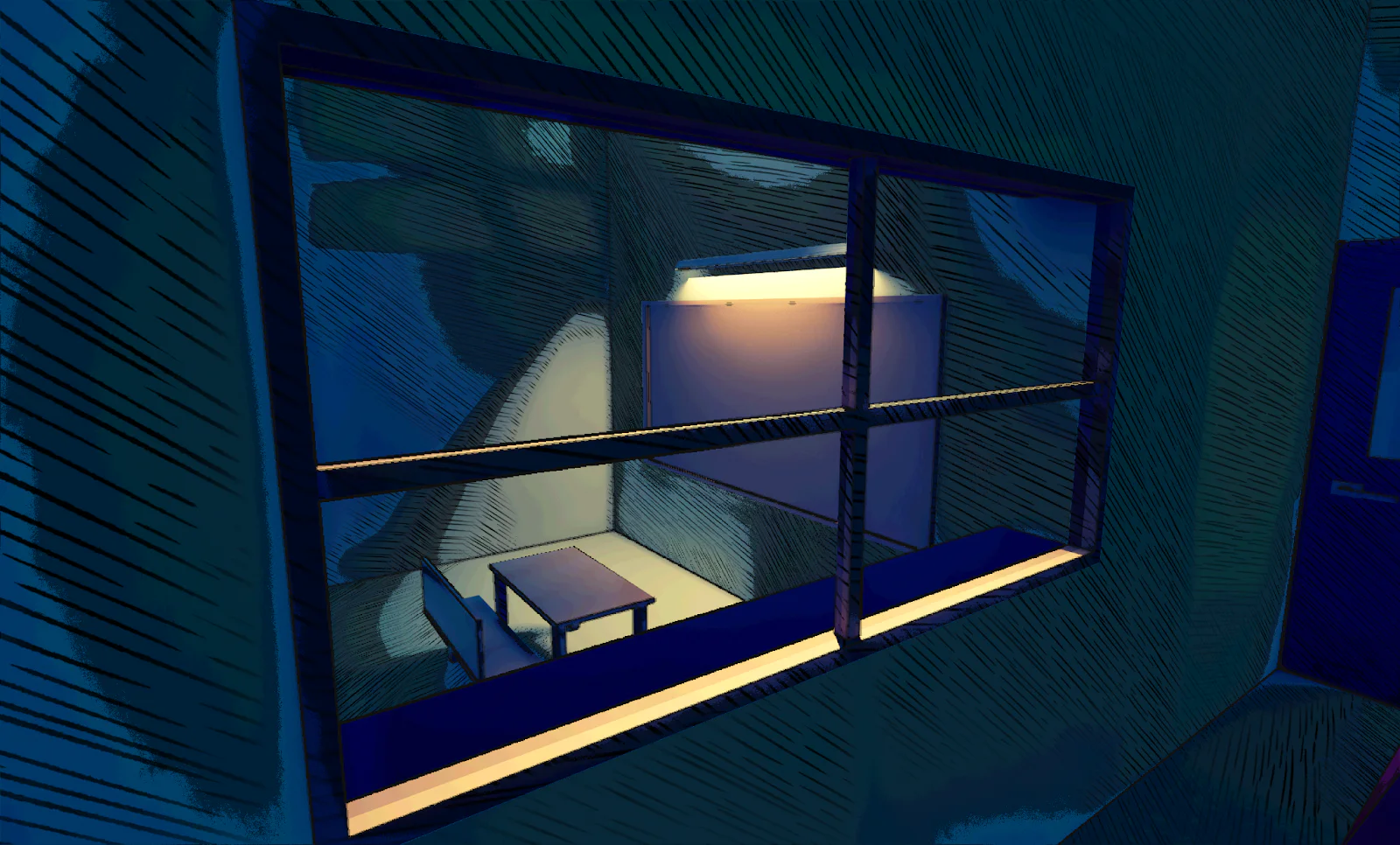
A living room in any house
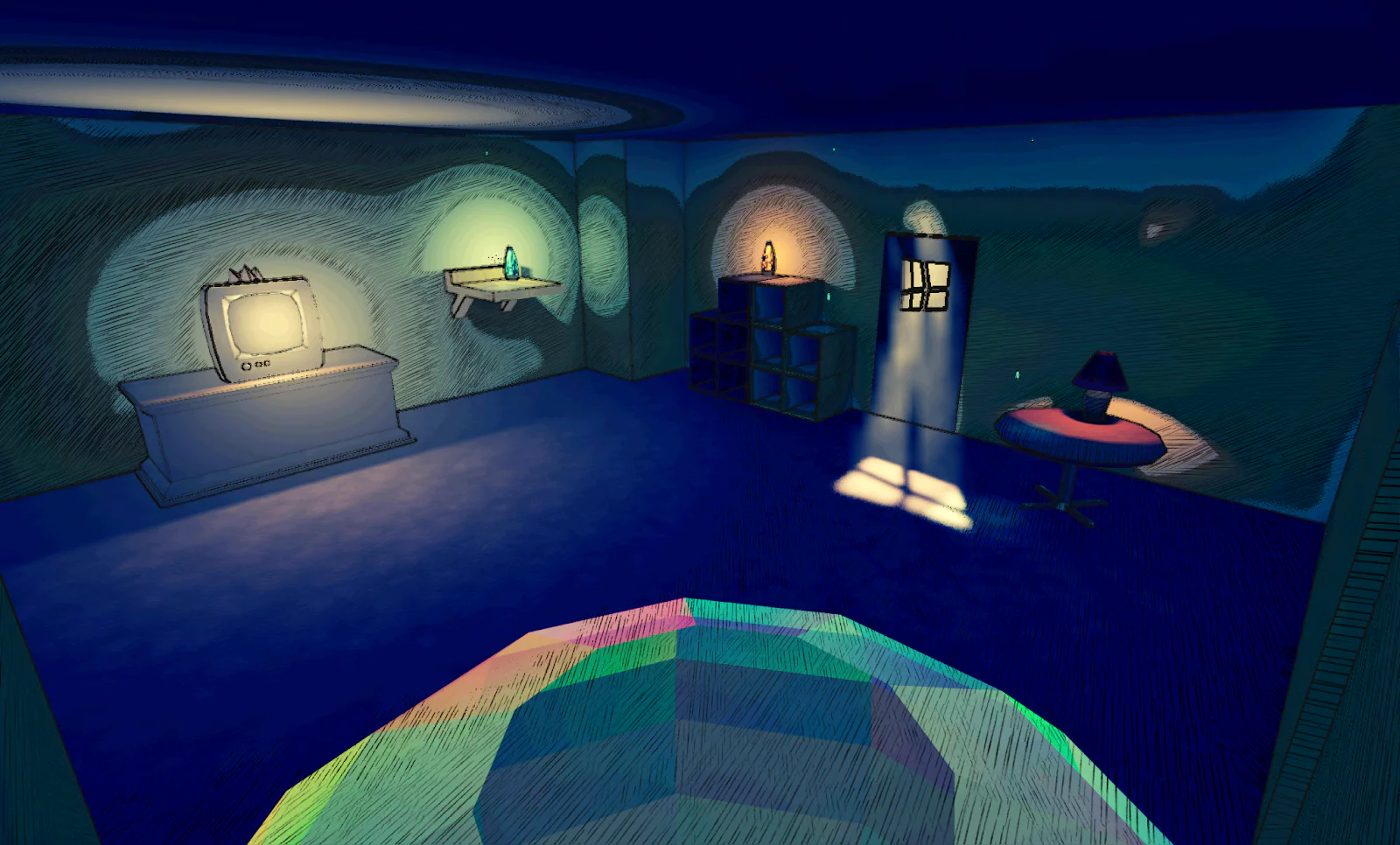
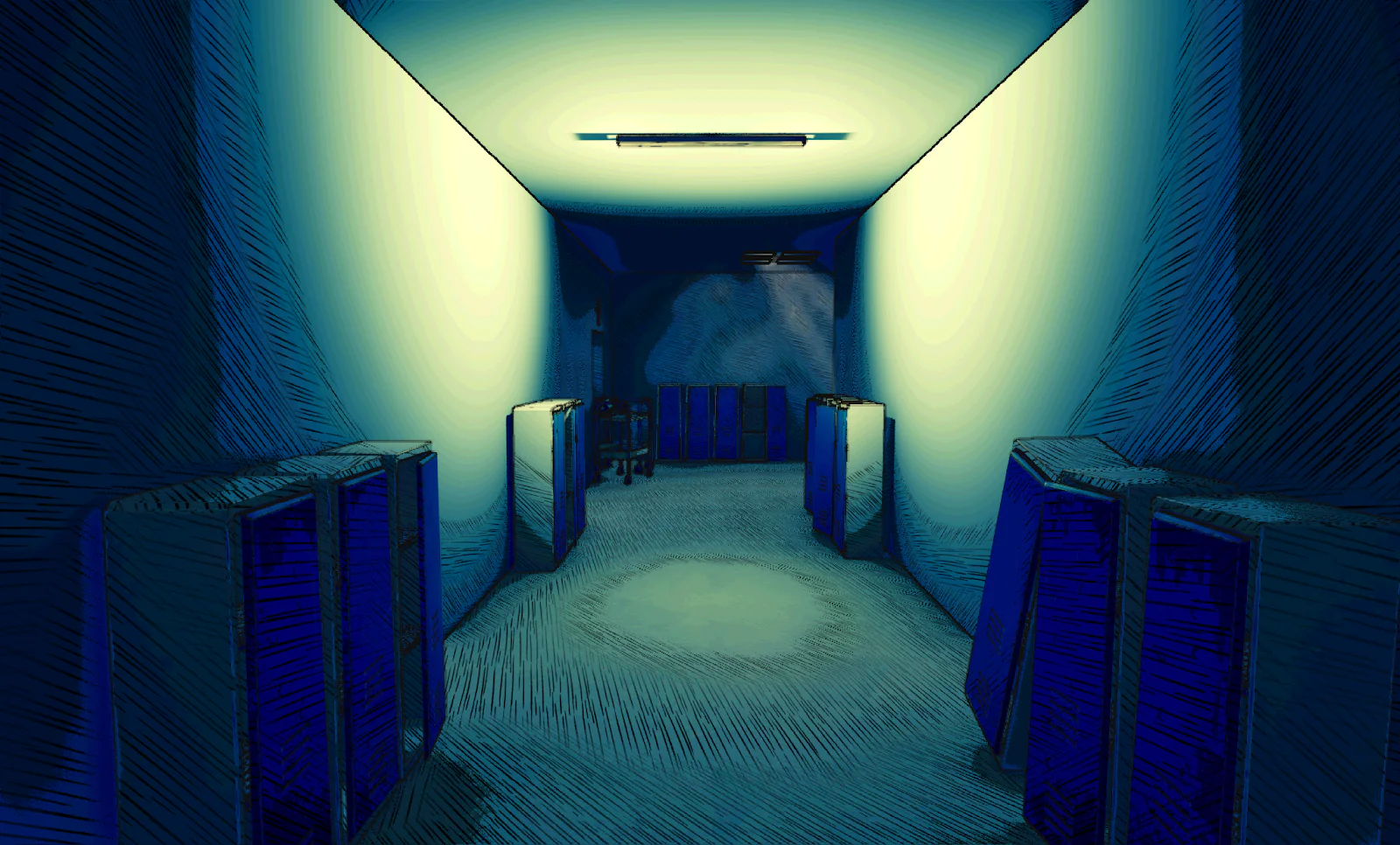
A wide high school corridor
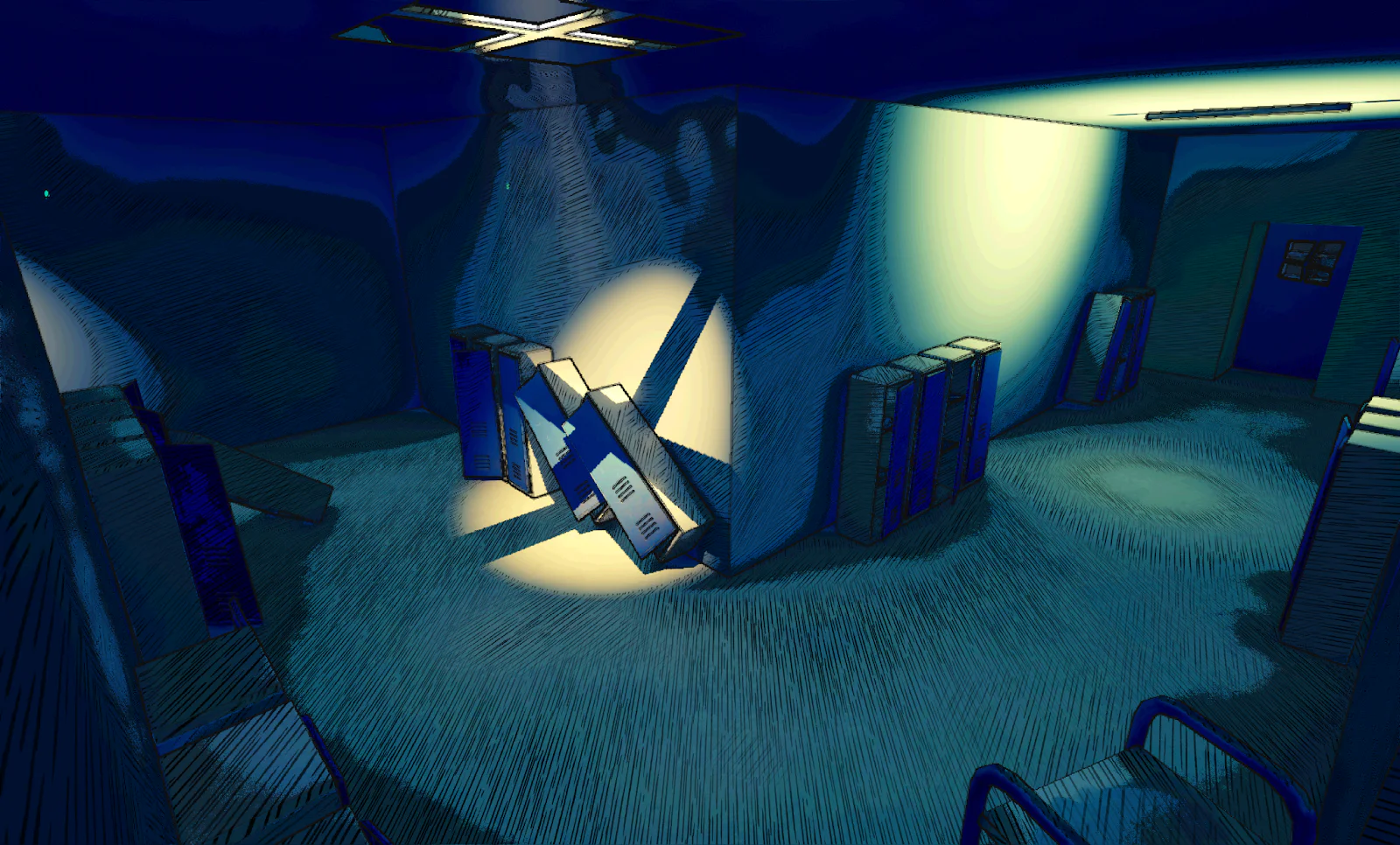
A new bedroom, this time for a teenager
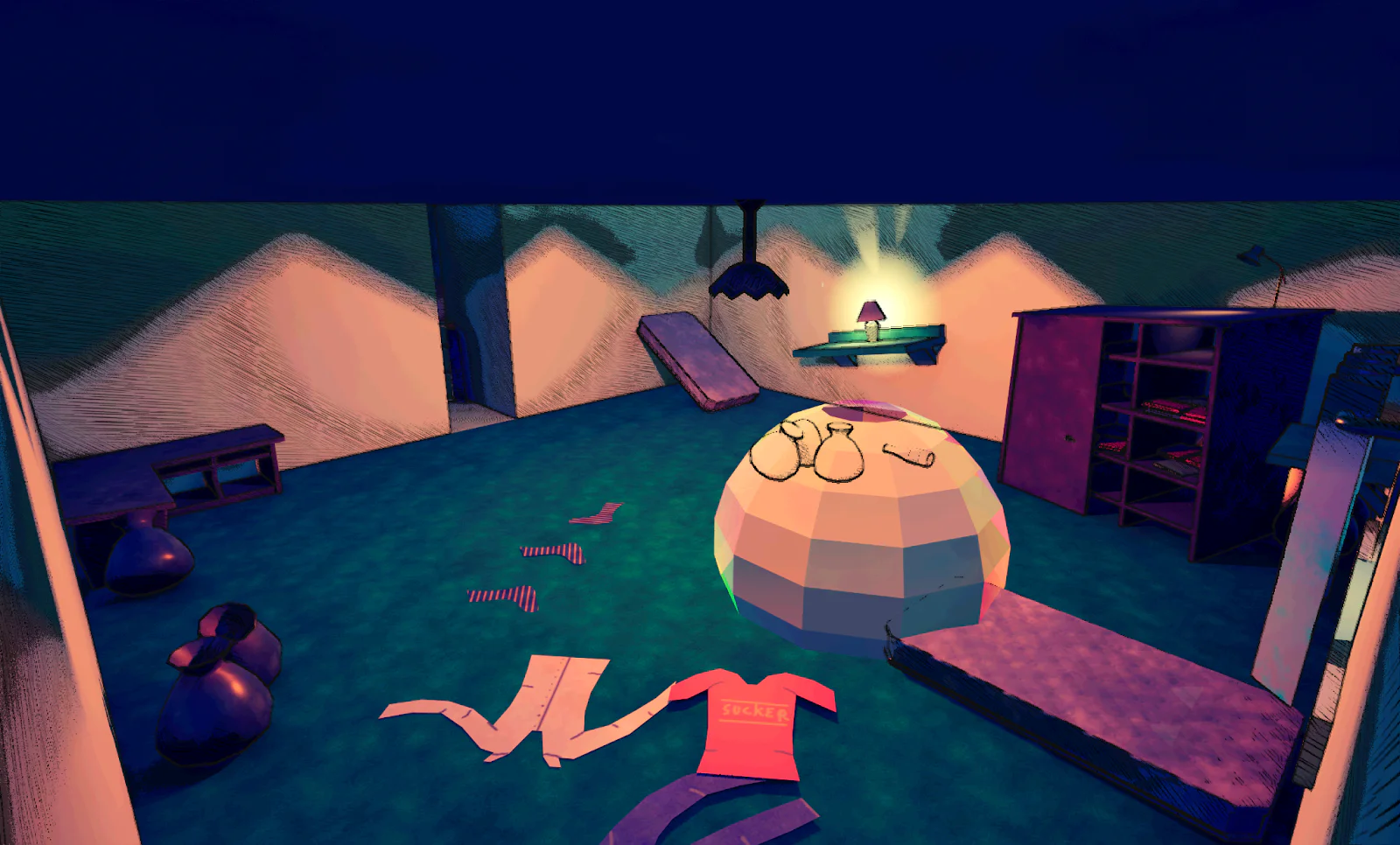
A small Garden
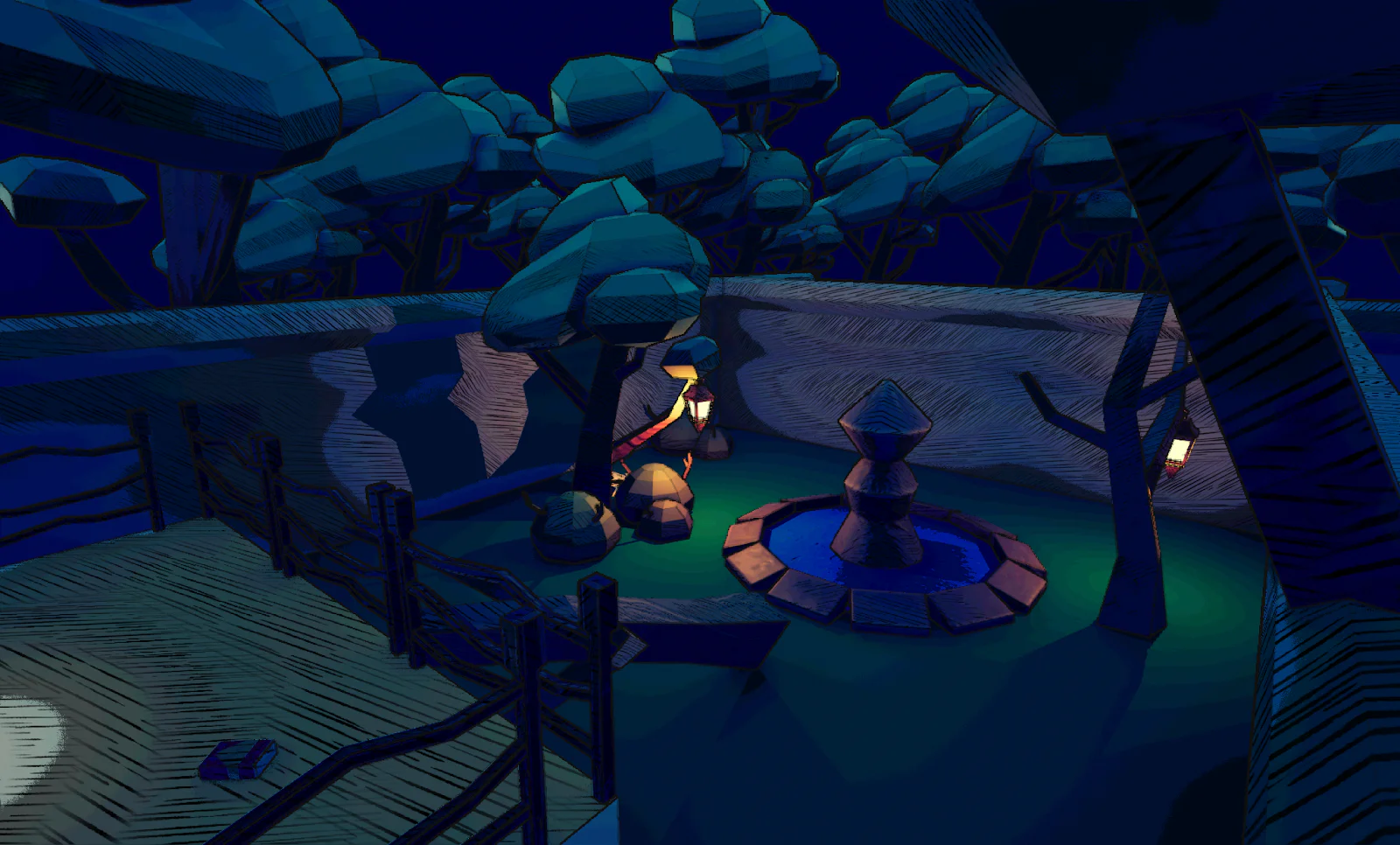
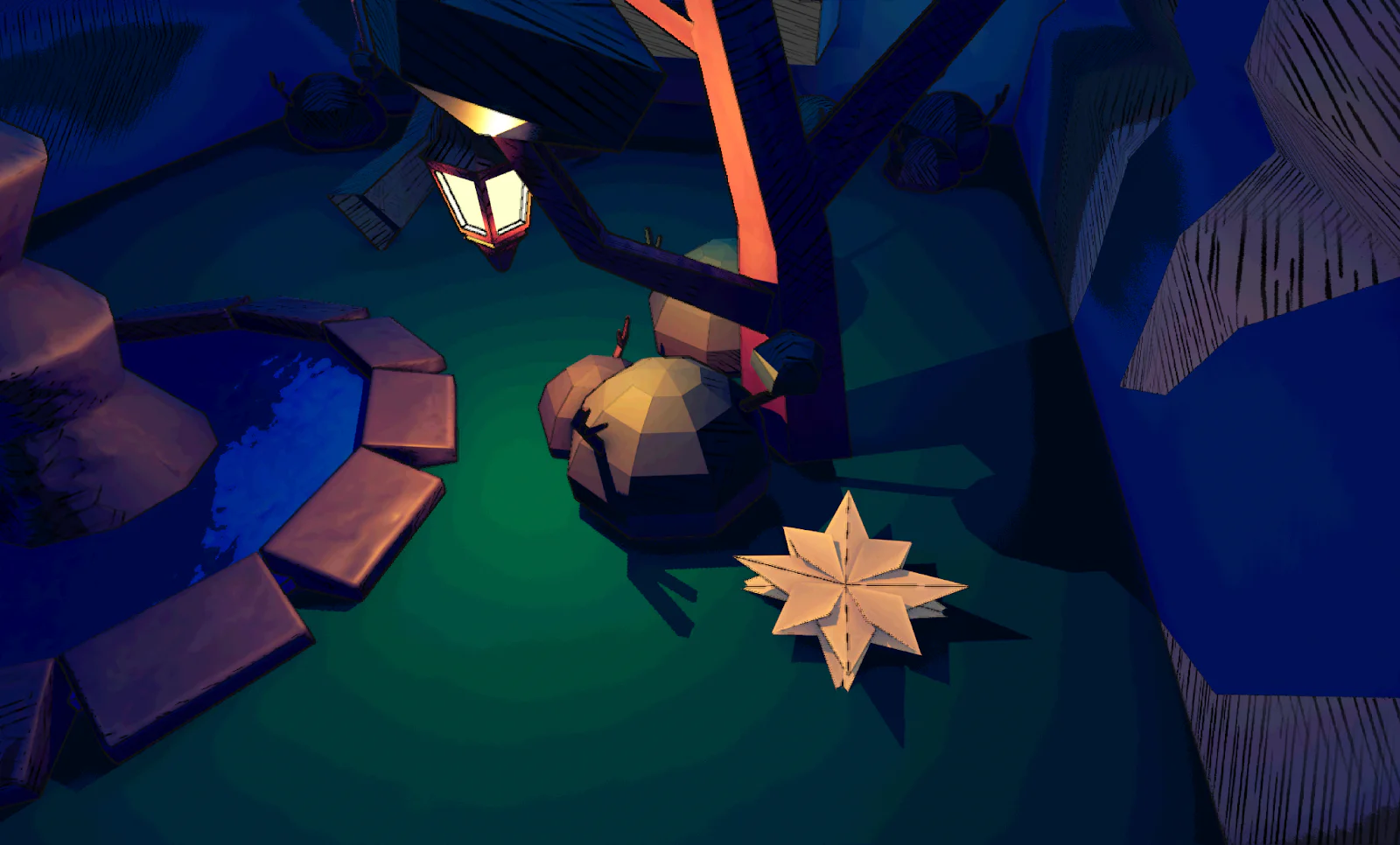
A hospital
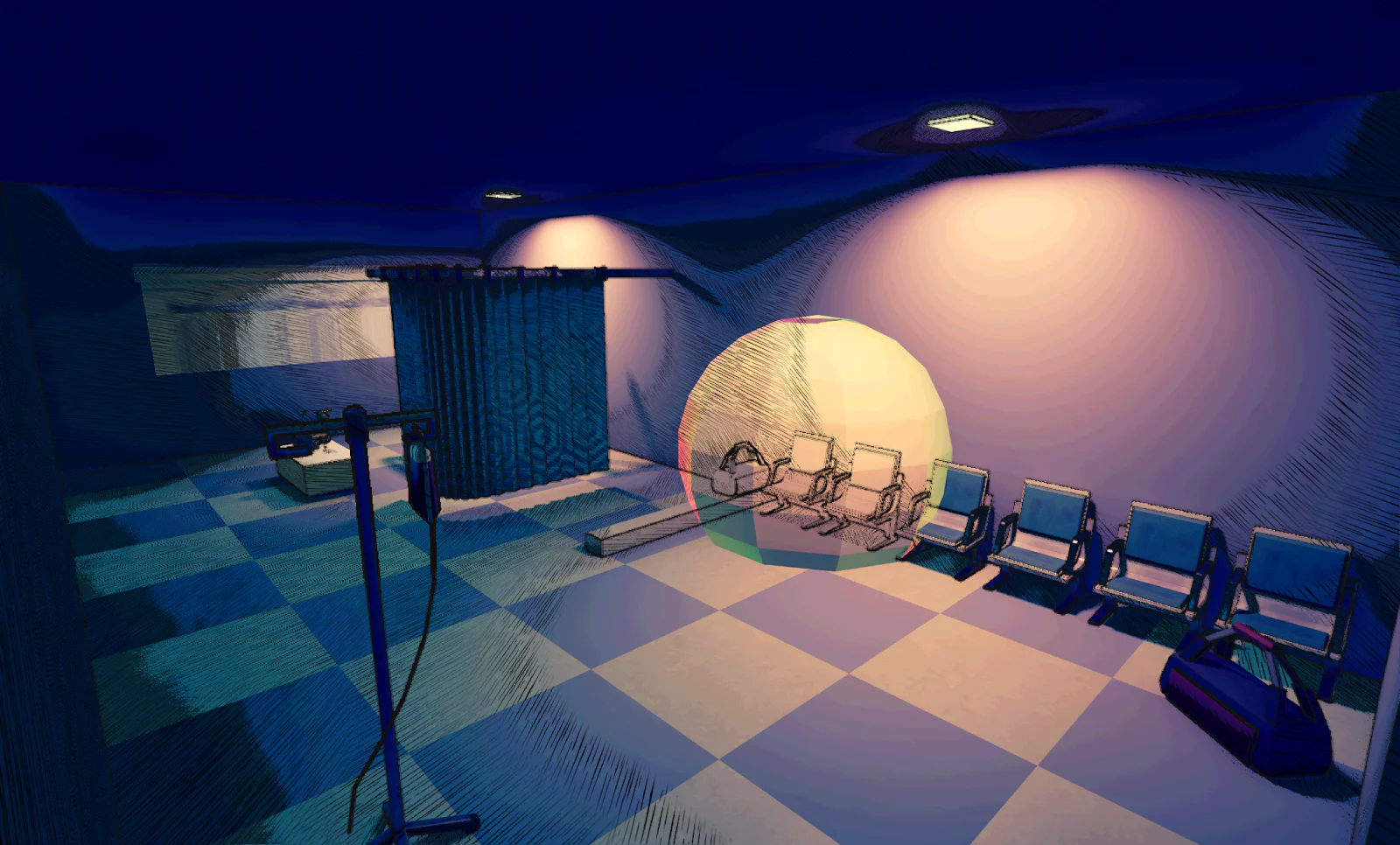
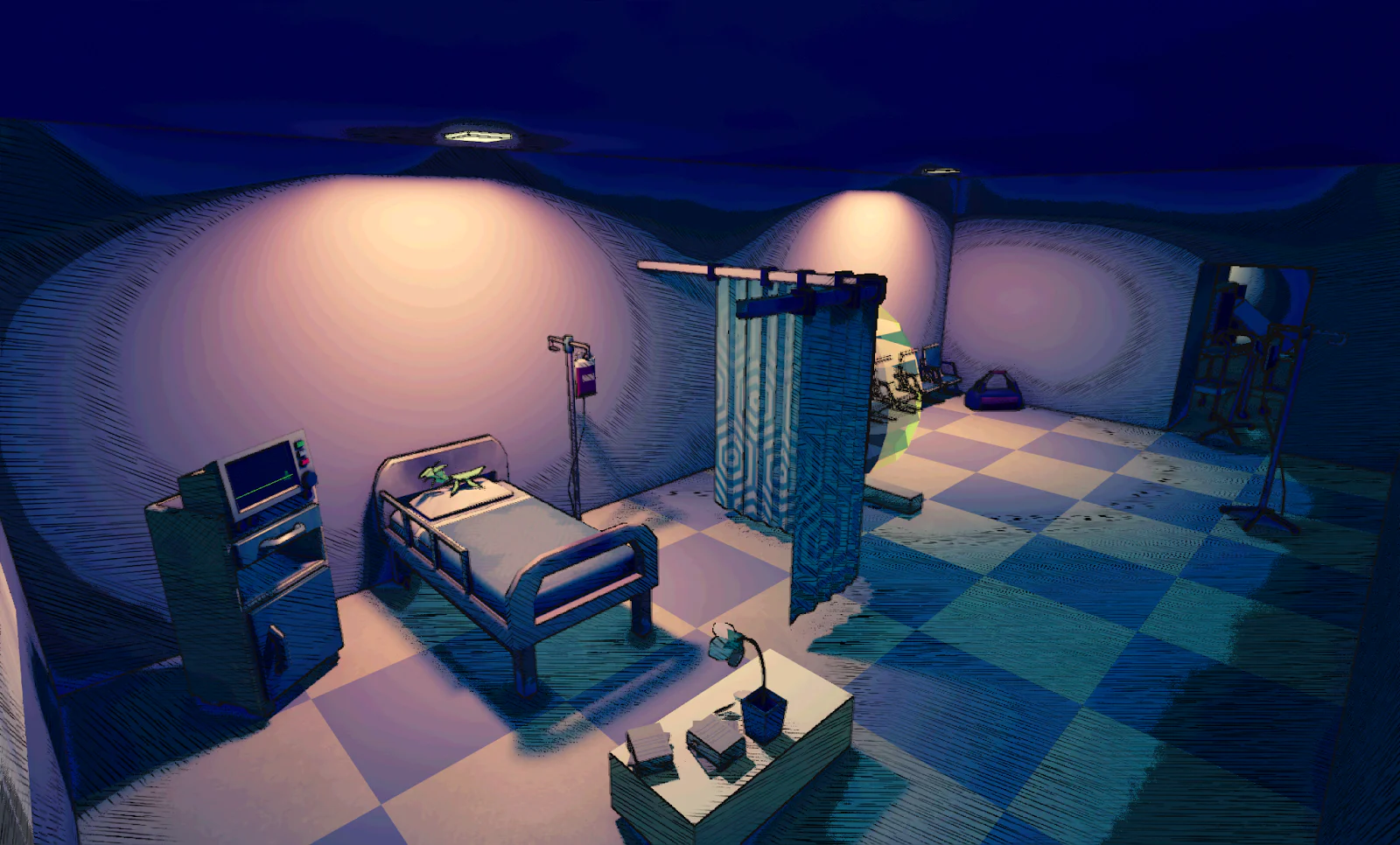
And last but not least, sports changing rooms with toilets and showers.
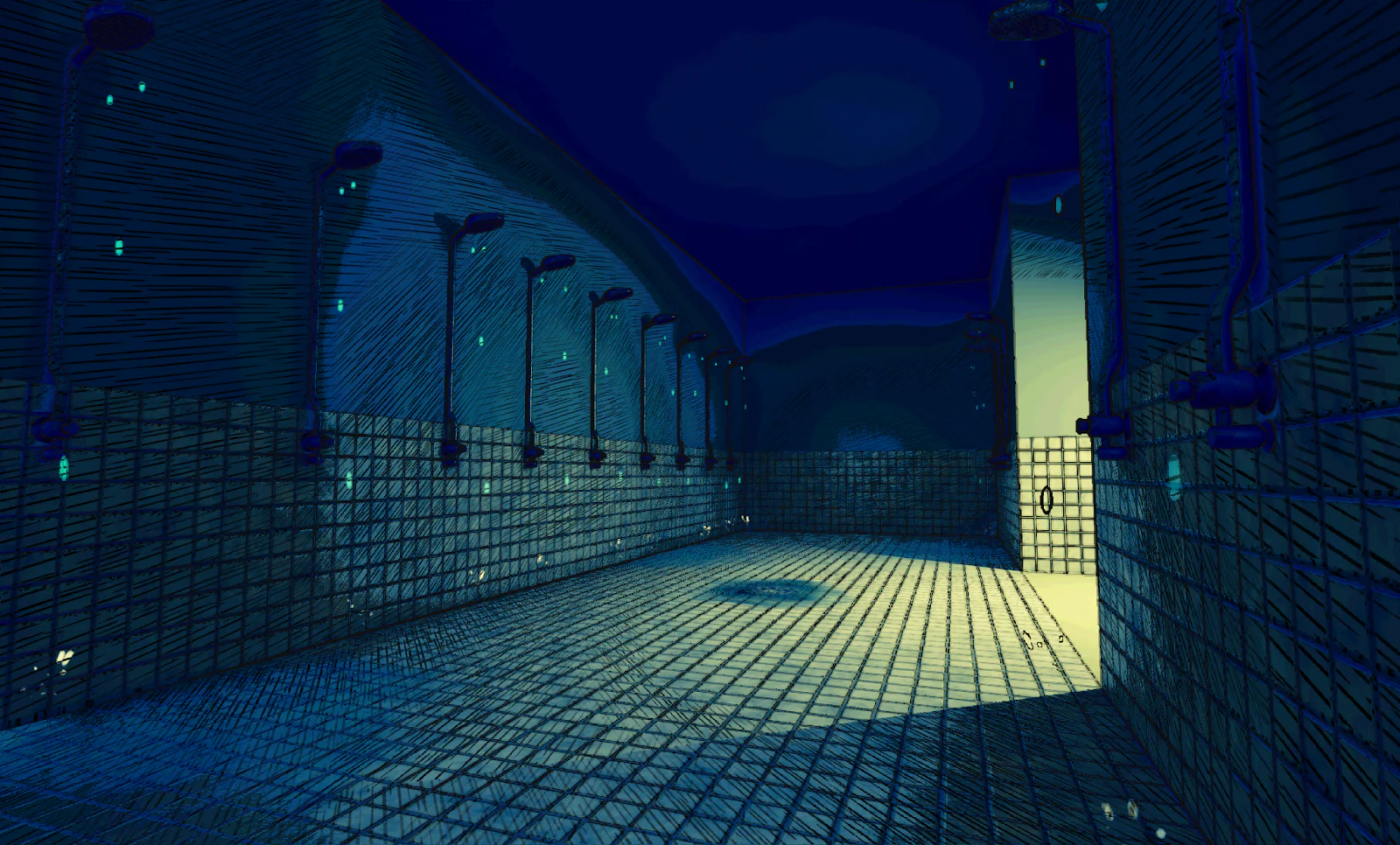
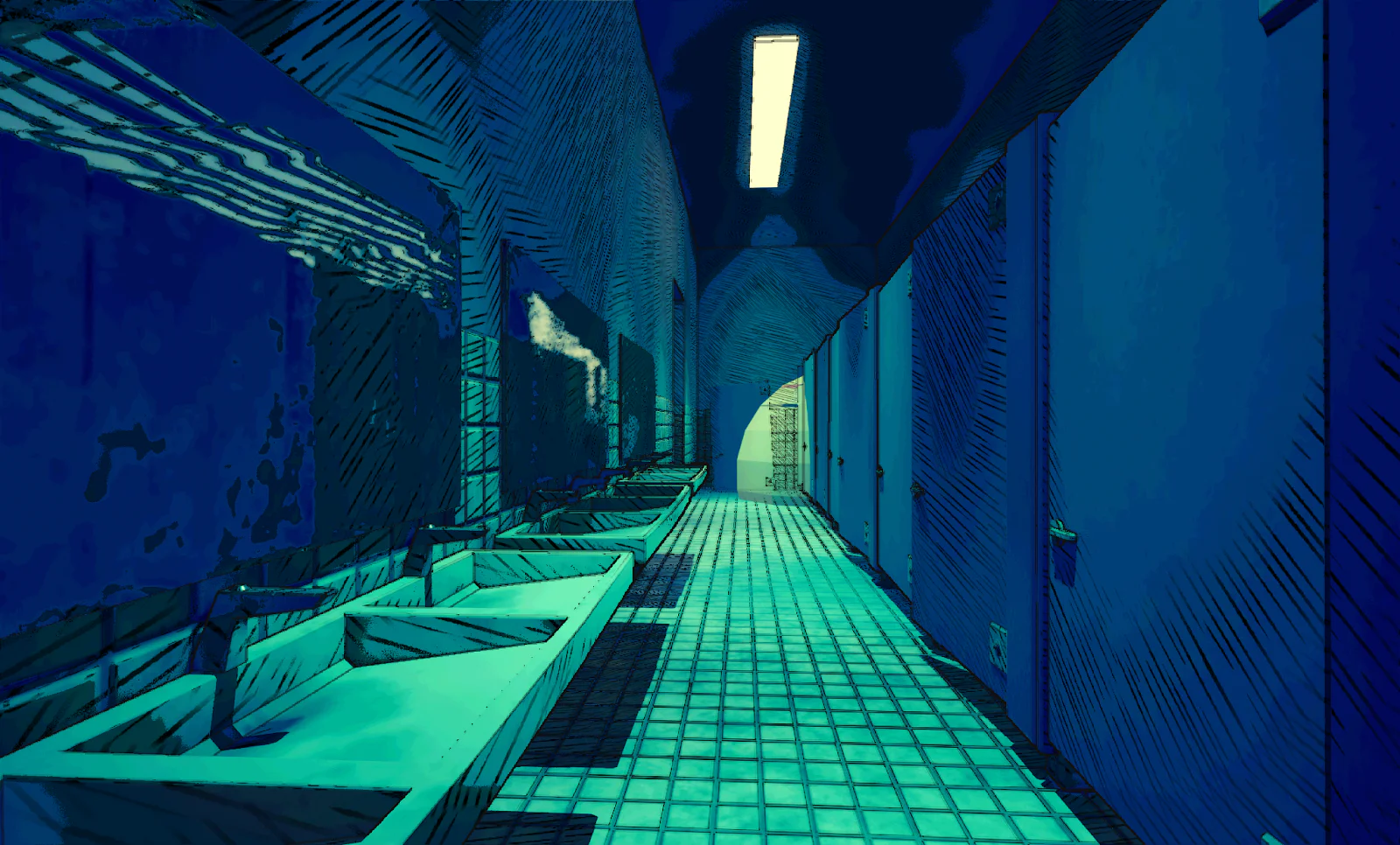
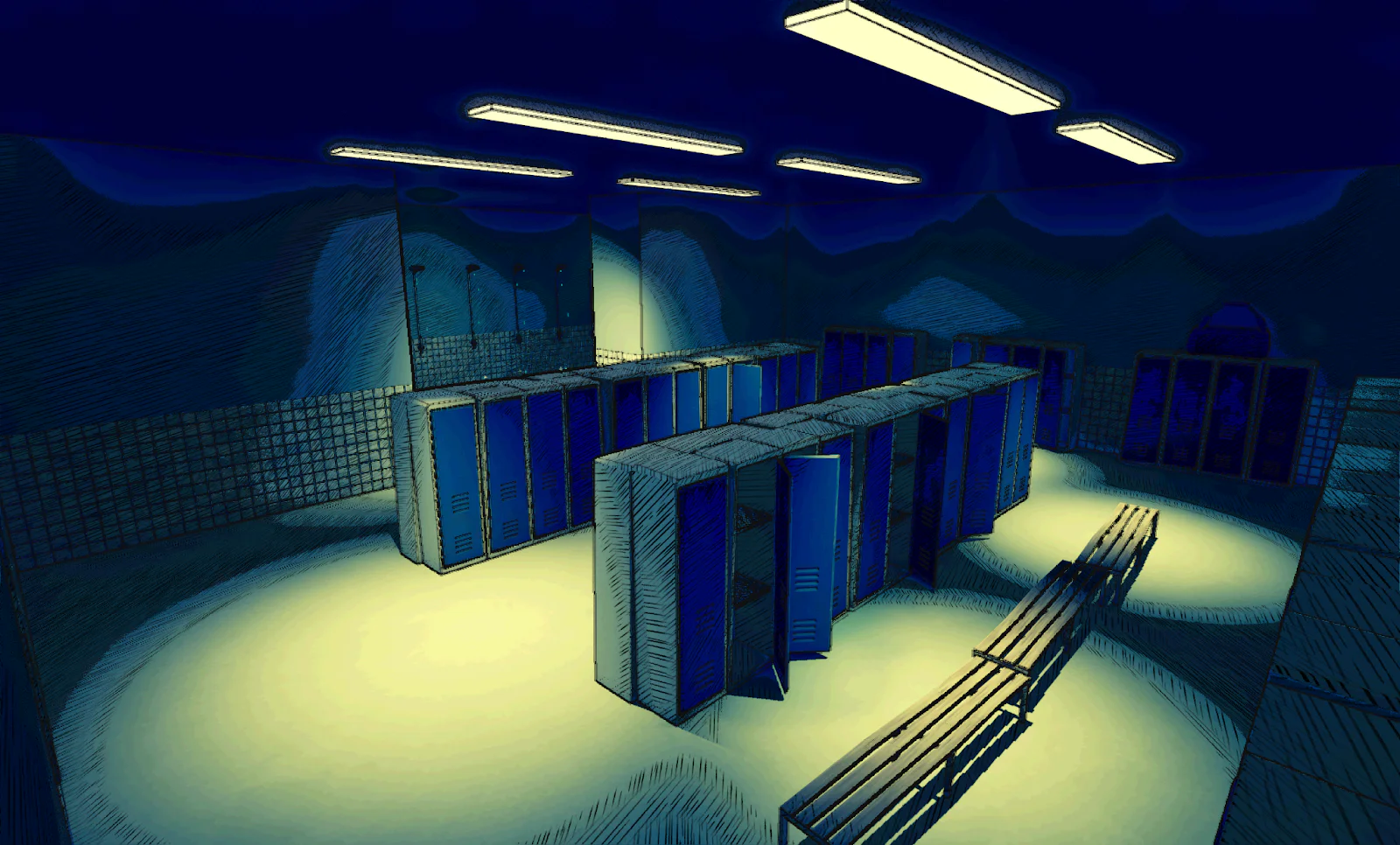
Sound Design Section
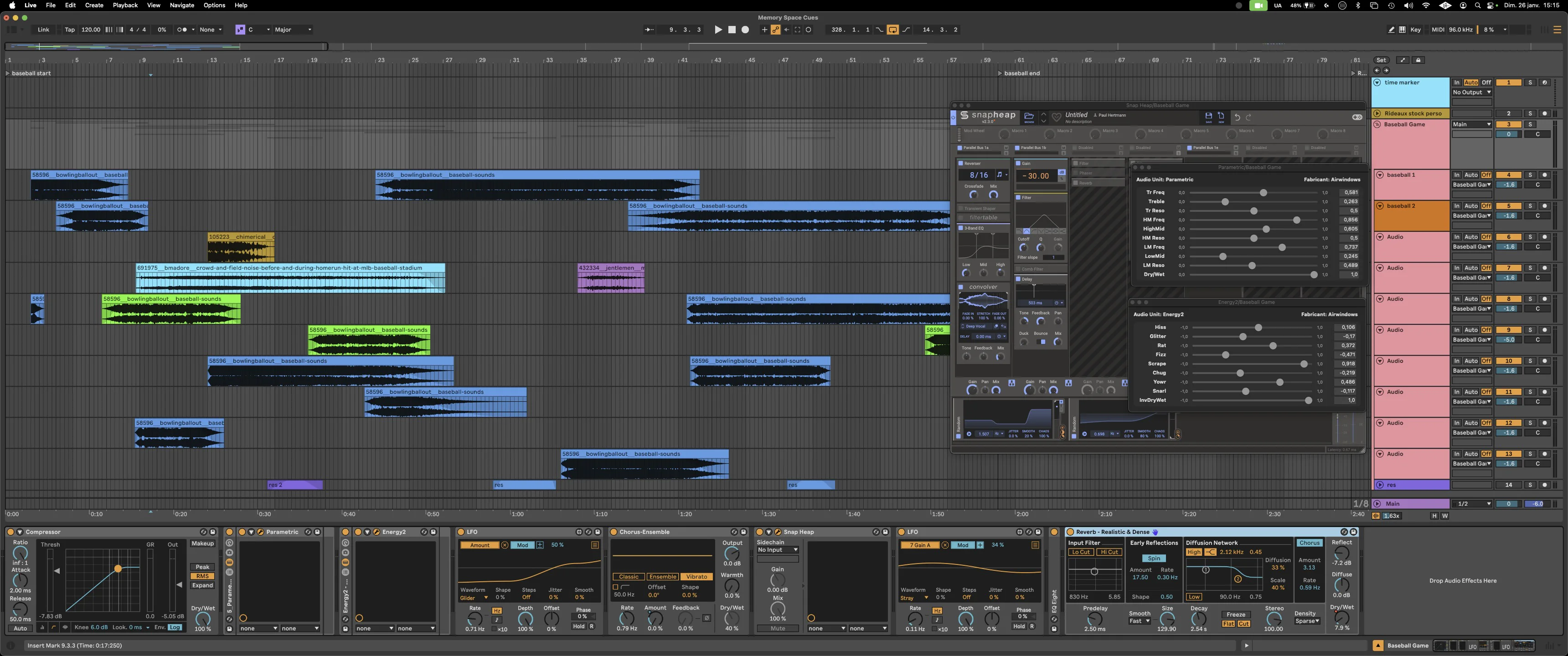
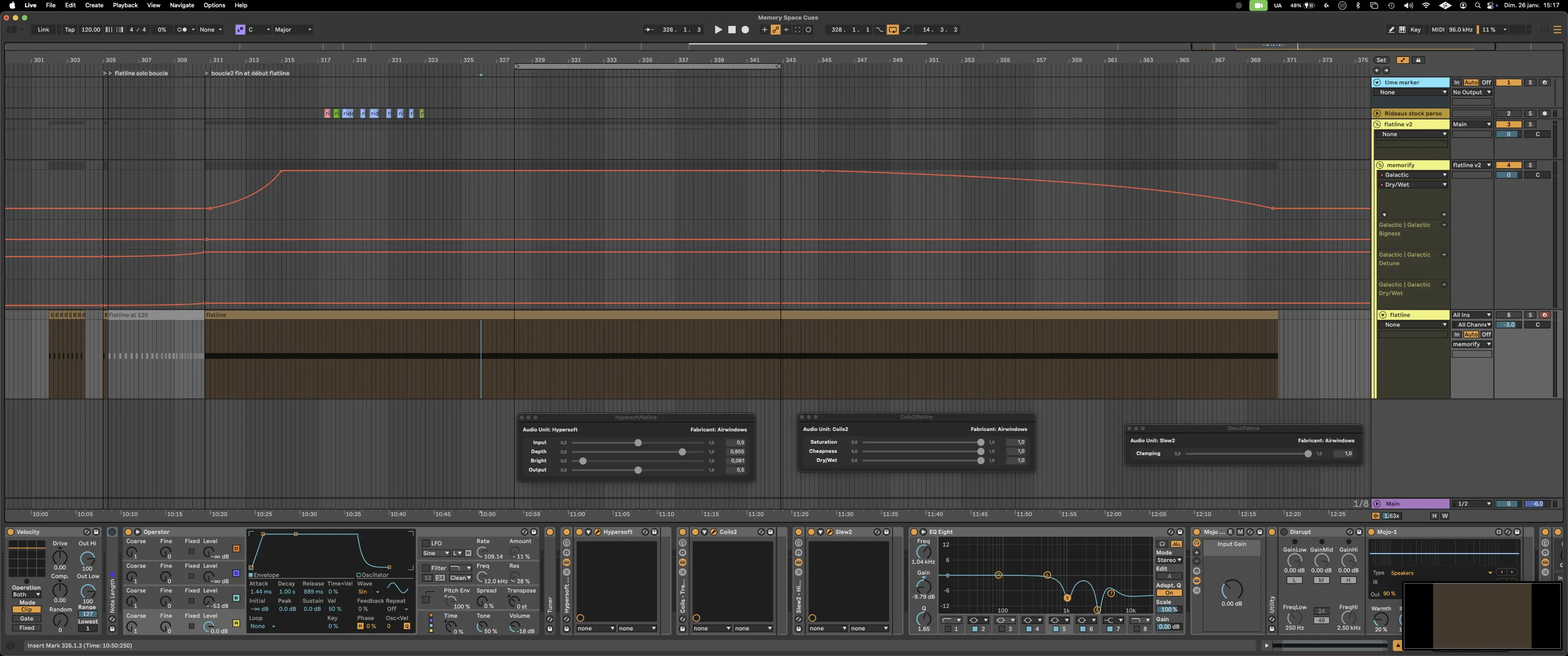
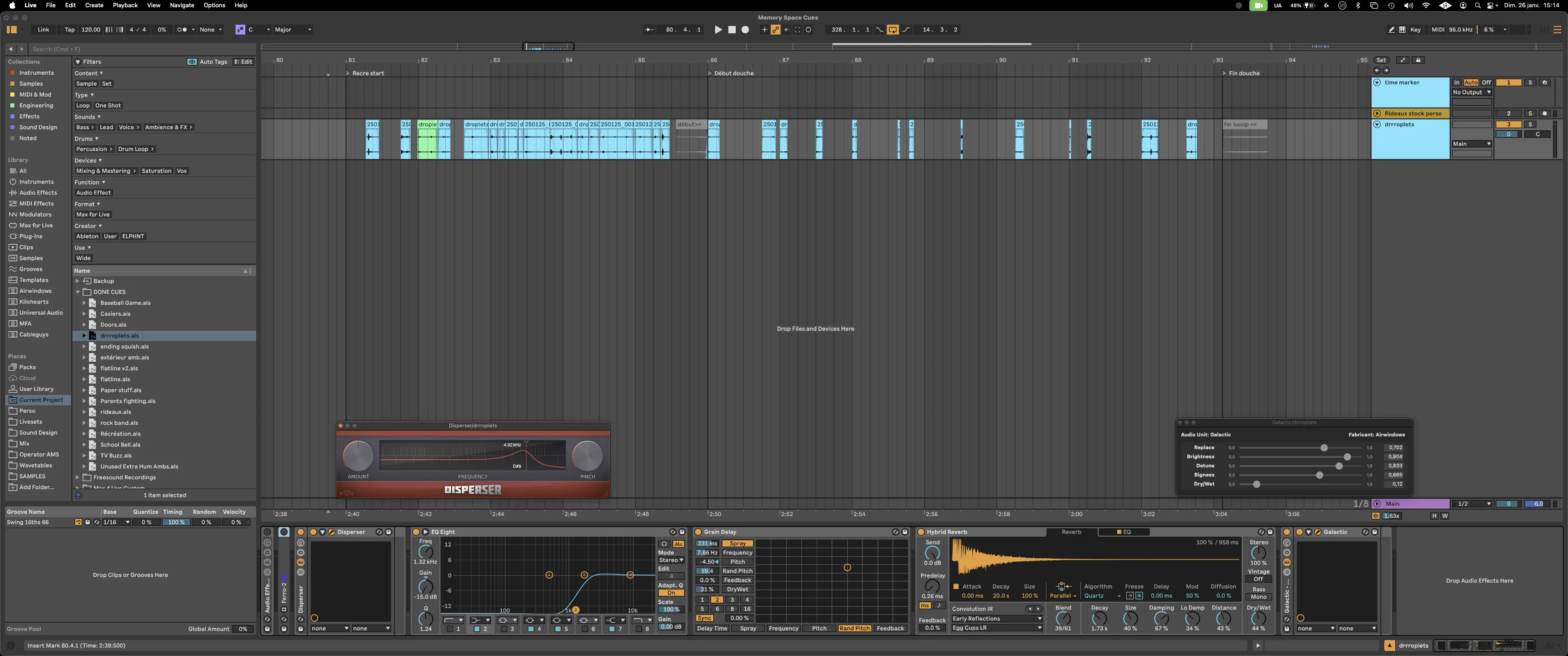
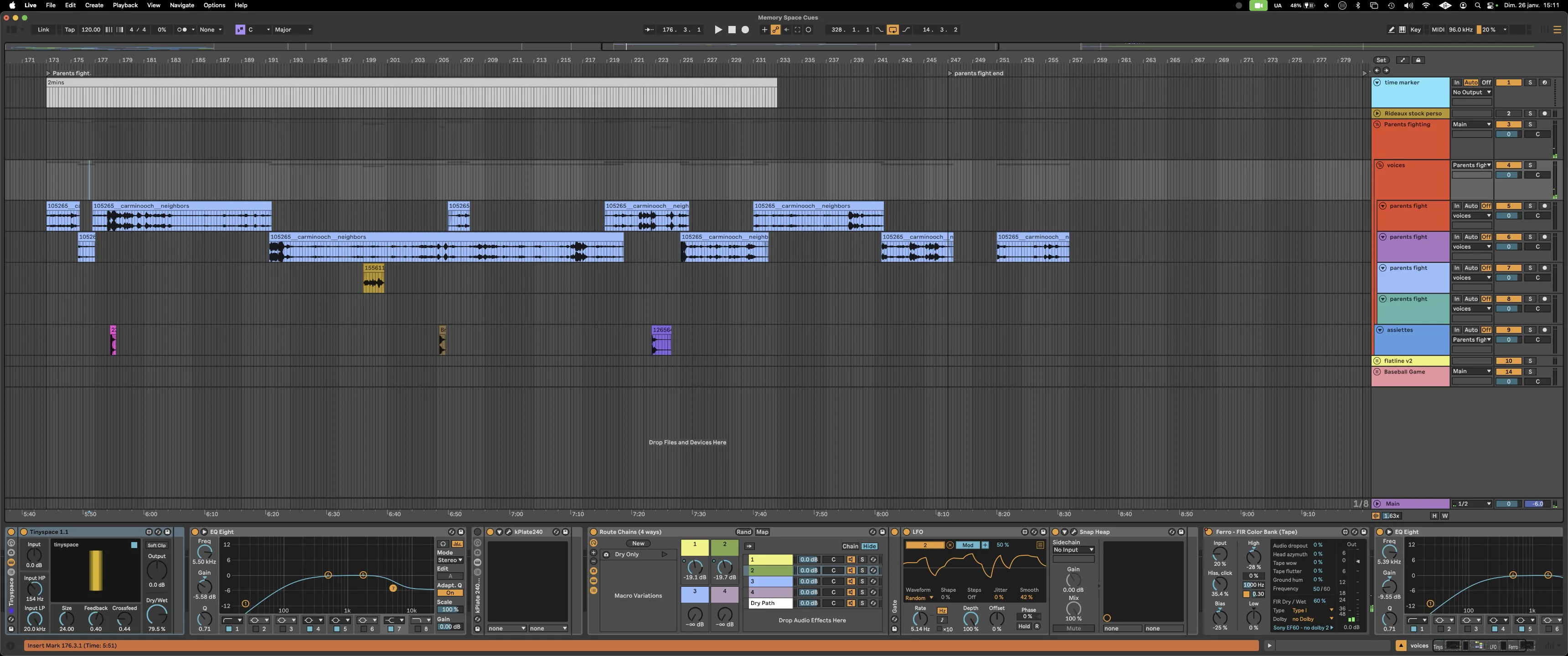
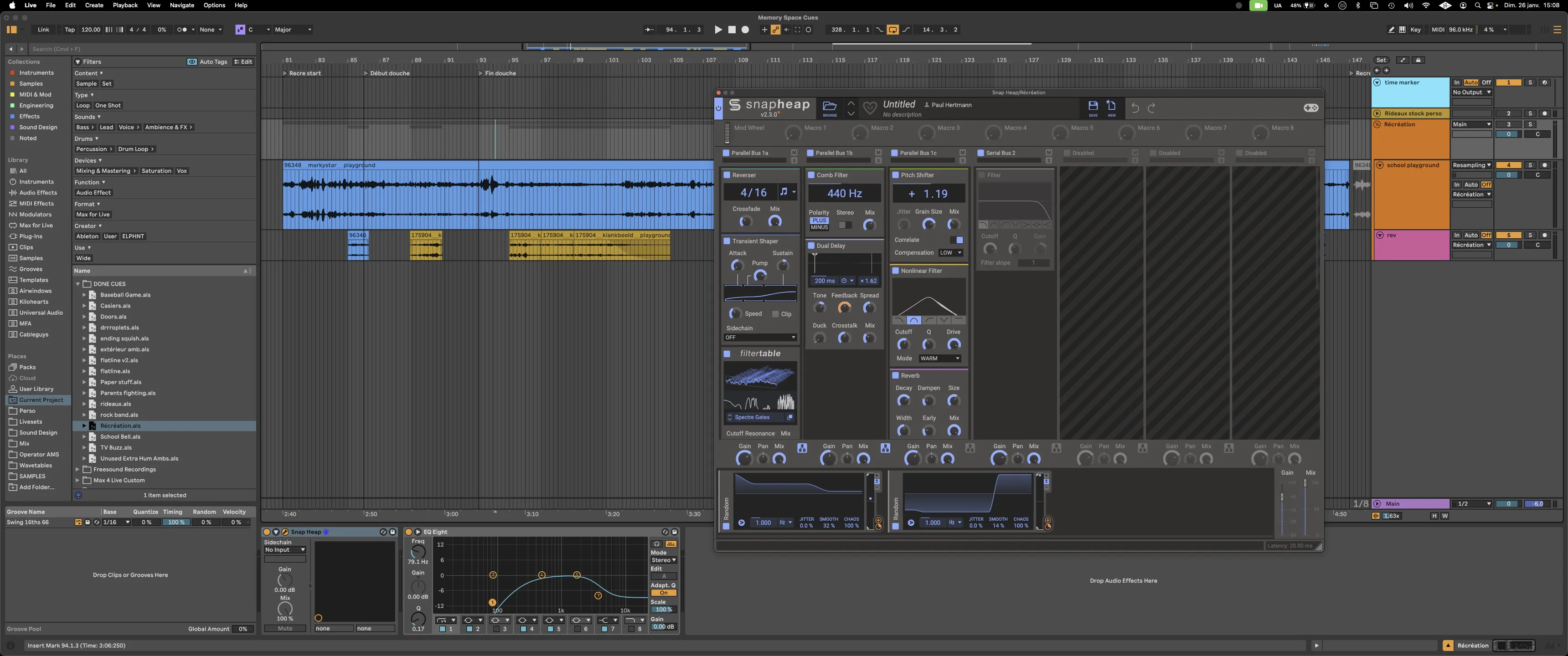
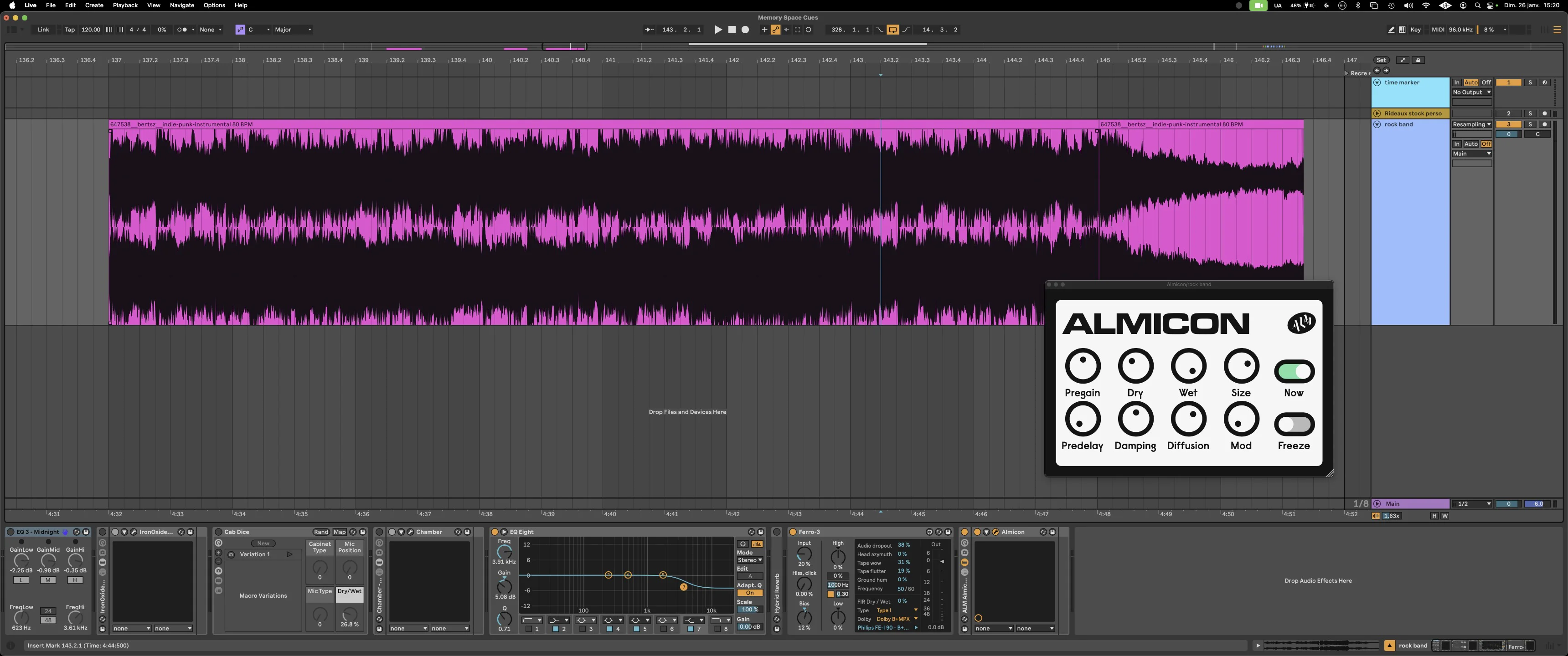
The project's sound design is based on a hybrid approach combining sound synthesis, recorded sound effects and royalty-free sounds processed to create a unique, immersive atmosphere.
Theme music and step sounds were fully synthesized, providing an original and coherent sound signature.
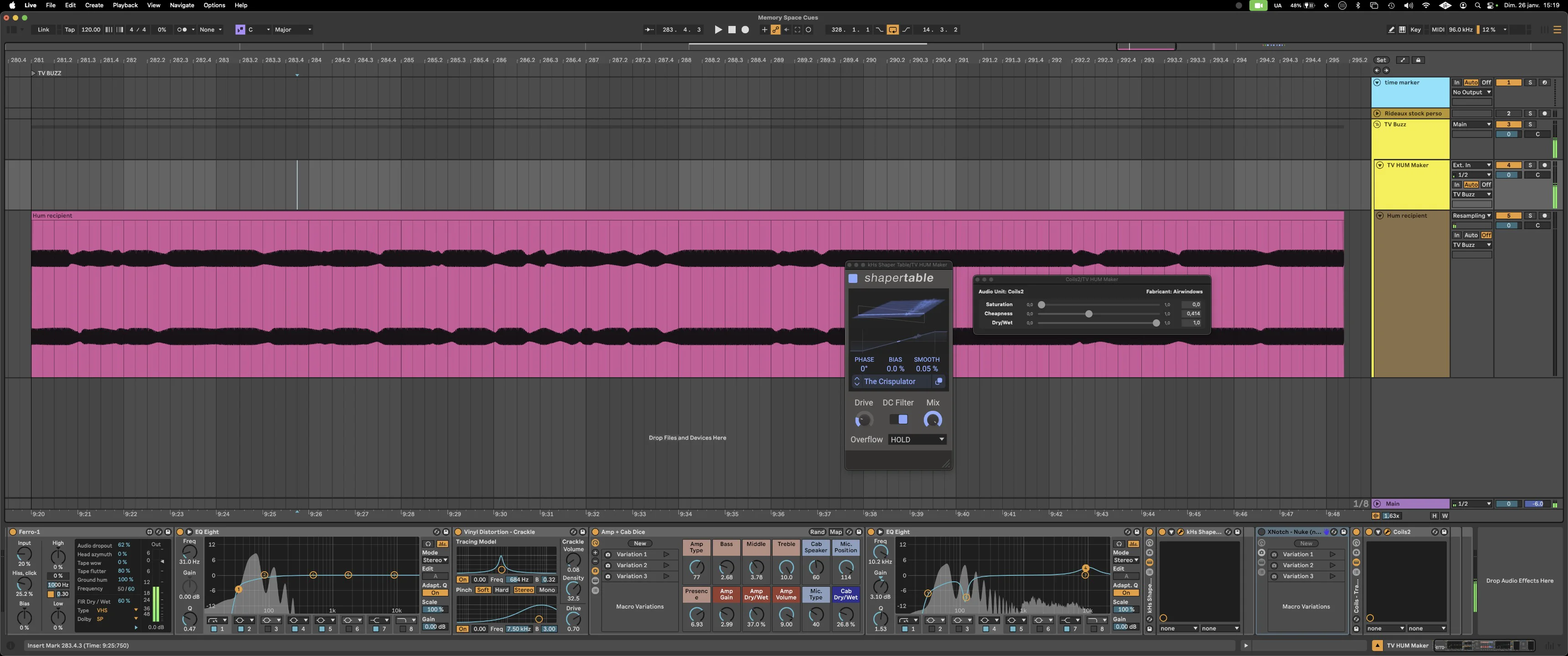
To reinforce the narrative and emotional aspect, the memory ambiences were built up from royalty-free sounds found on Freesound, carefully selected, cut and enriched by a multitude of effects for a more immersive rendering. Certain key sound elements, such as the flatline sound and the TV buzz, were generated by synthesis, as were the origami achievement sound and the button press sound, bringing sonic coherence to these momentous events.
At the same time, a series of realistic sound effects were recorded directly, including the sounds of lockers, doors and curtains, as well as various paper-related effects, such as the sound of pages being turned or paper being crumpled. For natural ambiences, the outdoor sound captures cicadas singing in summer, recorded from an open window, adding an authentic touch to the soundscape.
In all, some 50 sound assets were produced, each carefully processed and integrated to maximize emotional impact and player immersion.